7 Best Cameras for Beginners in 2026 [Tested & Ranked]
Tested 7 beginner cameras from Canon, Nikon, and Sony. Mirrorless vs DSLR compared with real photos — find your perfect first camera.
![7 Best Cameras for Beginners in 2026 [Tested & Ranked]](/images/best-cameras-beginners.webp)
Choosing the best camera for beginners can feel overwhelming. Mirrorless or DSLR? Canon or Nikon? APS-C or full-frame? With hundreds of options, how do you know which camera is right for your first step into photography?
In this comprehensive guide, I’ll cut through the confusion and help you find the perfect beginner camera in 2026. Whether you want to capture family moments, explore landscape photography, or start vlogging, there’s an ideal camera waiting for you.
Best Cameras for Beginners: Quick Recommendations
Before we dive deep, here are my top picks for different needs and budgets:
| Camera | Price | Best For | Our Take |
|---|---|---|---|
| Canon EOS R50 | ~$680 | Best Overall | Perfect balance of features and ease of use |
| Canon EOS R100 | ~$480 | Best Budget | Incredible value, great for learning |
| Nikon Z50 II | ~$960 | Best Nikon | Excellent image quality, robust build |
| Sony A6100 | ~$750 | Best Autofocus | Unbeatable eye-tracking for portraits |
| Fujifilm X-T30 II | ~$900 | Best Colors | Gorgeous film simulations, retro design |
What Makes a Good Beginner Camera?
Not every camera is suitable for beginners. Here’s what to look for when choosing your first camera:
Easy-to-Use Controls
The best beginner cameras offer:
- Guided modes that explain settings as you use them
- Scene modes for common situations (portrait, landscape, sports)
- Touchscreen interface familiar from smartphones
- Clear menu systems without overwhelming options
Forgiving Autofocus
Modern autofocus makes photography much easier:
- Eye detection automatically focuses on faces
- Subject tracking follows moving subjects
- Wide coverage means focus points across the frame
- Fast and accurate even in challenging light
Room to Grow
Your first camera should grow with you:
- Manual controls when you’re ready to learn
- Interchangeable lenses for different styles
- RAW shooting for advanced editing later (try RapidRAW — a free, open-source editor that rivals Lightroom)
- Compatible ecosystem of accessories
Mirrorless vs DSLR: Which Should Beginners Choose?
The most common question from beginners: should I buy mirrorless or DSLR? Here’s the honest answer for 2026.
Why Mirrorless Wins for Most Beginners
Learning Advantage: Mirrorless cameras show you the final image in the viewfinder before you shoot. Change the exposure? You see it live. This instant feedback accelerates learning dramatically.
Better Autofocus: Modern mirrorless autofocus with eye detection and subject tracking outperforms DSLRs, especially for beginners who may struggle with manual focus point selection.
Future-Proof: All camera manufacturers have shifted R&D to mirrorless. Sony, Fujifilm, and Olympus abandoned DSLRs entirely. Canon and Nikon still make them but aren’t developing new models.
Size and Weight: Mirrorless cameras are typically smaller and lighter - important when you’re learning and want to carry your camera everywhere.
When DSLRs Still Make Sense
Tight Budget: A used Nikon D3500 or Canon Rebel T7 offers incredible value. You can enter photography for under $350 with a kit lens. Pro tip: buying vintage cameras from Japan often yields better prices and condition than local markets.
Battery Life: DSLRs last 1,000-1,500 shots per charge versus 300-500 for mirrorless. If charging isn’t convenient, this matters.
Optical Viewfinder Preference: Some photographers prefer the “natural” view of an optical viewfinder, though most beginners adapt quickly to electronic viewfinders.
For an in-depth comparison, read our DSLR vs Mirrorless guide for beginners.
Best Mirrorless Cameras for Beginners
1. Canon EOS R50 - Best Overall
Price: ~$680 with kit lens | Sensor: 24.2MP APS-C
The Canon EOS R50 is my top recommendation for most beginners in 2026. It strikes the perfect balance between ease of use and capable features.
Why It’s Great for Beginners:
- Intuitive touchscreen interface
- Excellent Dual Pixel autofocus with eye detection
- 4K video for vlogging
- Lightweight (328g body only)
- Feature Assistant explains settings
Pros:
- Best-in-class autofocus for the price
- Clean, user-friendly menus
- Great image quality
- Strong battery life for mirrorless (310 shots)
Cons:
- No in-body image stabilization
- Single card slot
- Kit lens is average
Best For: Beginners who want room to grow, family photographers, travel photography.
2. Canon EOS R100 - Best Budget Mirrorless
Price: ~$480 with kit lens | Sensor: 24.1MP APS-C
The Canon EOS R100 proves you don’t need to spend a fortune to get a capable camera. It’s the most affordable way into Canon’s excellent mirrorless system.
Why It’s Great for Beginners:
- Guided Display mode teaches you photography
- Simple, uncluttered menu system
- Compact and lightweight (356g)
- Uses same lenses as higher-end Canon cameras
Pros:
- Unbeatable value
- Genuinely easy to use
- Solid image quality
- Great starting point for learning
Cons:
- Fixed LCD screen (no tilting)
- No image stabilization
- Slower continuous shooting (6.5fps)
Best For: Budget-conscious beginners, casual photographers, those upgrading from smartphones.
3. Nikon Z50 II - Best Nikon Option
Price: ~$960 with kit lens | Sensor: 20.9MP APS-C
The Nikon Z50 II improves on the original with better autofocus and a more capable feature set. It’s the best entry into Nikon’s mirrorless system.
Why It’s Great for Beginners:
- Excellent image quality and color science
- Tilting touchscreen for vlogging
- Some weather sealing for peace of mind
- Deep grip comfortable for longer shoots
Pros:
- Superior low-light performance
- 3D tracking autofocus
- Robust build quality
- Better-than-average kit lens
Cons:
- More expensive than Canon alternatives
- Smaller lens selection than Canon/Sony
- No in-body stabilization
Best For: Those committed to Nikon, low-light shooters, enthusiast beginners.
4. Sony A6100 - Best Autofocus
Price: ~$750 with kit lens | Sensor: 24.2MP APS-C
The Sony A6100 may be a few years old, but its autofocus system remains one of the best at any price. For portraits and action, it’s hard to beat.
Why It’s Great for Beginners:
- Real-time Eye AF tracks subjects effortlessly
- 425 phase-detection autofocus points
- Excellent 4K video quality
- Huge selection of compatible lenses
Pros:
- Class-leading autofocus
- Great video capabilities
- Mature lens ecosystem
- Compact body
Cons:
- Menu system less intuitive than Canon/Nikon
- Older body design
- Battery life could be better
Best For: Portrait photographers, parents capturing kids, video creators.
5. Fujifilm X-T30 II - Best Colors
Price: ~$900 with kit lens | Sensor: 26.1MP APS-C
The Fujifilm X-T30 II stands out with its gorgeous color science and classic film simulations. If you love the look of film photography, this is your camera.
Why It’s Great for Beginners:
- Film Simulation modes create beautiful images in-camera
- Retro design with physical dials
- Excellent image quality
- Great for both photos and video
Pros:
- Best-in-class color science
- Unique film simulations
- Beautiful retro design
- Strong low-light performance
Cons:
- Steeper learning curve
- More expensive
- Smaller grip may not suit larger hands
Best For: Creative photographers, those who love film aesthetics, Instagram content creators.
Best DSLR Cameras for Beginners (Budget Options)
If budget is your primary concern, these DSLRs offer incredible value:
6. Canon EOS Rebel T7 (EOS 2000D) - Best Budget DSLR
Price: ~$400 new with kit lens
Still available new, the Rebel T7 offers everything a beginner needs at an unbeatable price. Image quality is excellent, and the Canon ecosystem provides endless upgrade paths.
7. Nikon D3500 - Best Used DSLR
Price: ~$350 used with kit lens
The D3500 is one of the best beginner DSLRs ever made. Exceptional image quality, incredible battery life (1,550 shots!), and a lightweight body make it perfect for learning.
Note: While these DSLRs are excellent value, remember that all camera development has moved to mirrorless. If budget allows, starting with mirrorless future-proofs your investment.
What Accessories Do Beginners Need?
Beyond the camera itself, budget for these essentials:
Essential (Budget: $50-100)
- Memory card: 64GB or 128GB SD card ($15-30)
- Spare battery: Always have backup power ($30-50)
- Camera bag: Protect your investment ($20-40)
Recommended (Budget: $100-200)
- UV filter: Protects your lens ($15-25)
- Cleaning kit: Sensor and lens cleaning ($15-20)
- Tripod: Essential for low light and landscapes ($50-100)
Nice to Have (Budget: $100+)
- Prime lens: 35mm or 50mm for sharper images ($150-300)
- External flash: For better indoor photos ($80-150)
- Camera strap: Comfortable for all-day shooting ($20-50)
Common Questions When Buying Your First Camera
Do I Need Full-Frame?
No. APS-C sensors in beginner cameras produce excellent image quality. Full-frame offers advantages in low light and depth of field, but it’s overkill (and overpriced) for beginners. Master the basics first, then upgrade if needed.
How Many Megapixels Do I Need?
Anything over 20MP is plenty for beginners. You could print a 20MP image at poster size. Don’t be swayed by megapixel marketing - 24MP is the sweet spot for most photographers.
Should I Buy New or Used?
For mirrorless: Buy new to get warranty and latest autofocus performance. For DSLR: Used is excellent value. Sites like MPB and KEH offer quality-checked used gear with warranties.
Which Brand Should I Choose?
All major brands (Canon, Nikon, Sony, Fujifilm) make excellent beginner cameras. More important than brand is:
- How the camera feels in your hands
- Menu system you find intuitive
- Lens selection for your interests
How to Choose Your First Camera
Follow this simple process:
Step 1: Set Your Budget
- Under $500: Canon EOS R100, used DSLR
- $500-700: Canon EOS R50, Sony A6100
- $700-1000: Nikon Z50 II, Fujifilm X-T30 II
Step 2: Identify Your Main Use
- Family/portraits: Prioritize autofocus (Sony A6100, Canon R50)
- Travel: Prioritize size/weight (Canon R100, Fujifilm)
- Video/vlogging: Prioritize video features (Sony, Canon R50)
- Video calls/streaming: A dedicated webcam is more practical than a camera
- Landscapes: Any camera works; invest in tripod instead
Step 3: Try Before You Buy
Visit a camera store and hold different models. The best camera is one you’ll actually carry and use. No specs matter if the camera sits at home.
Step 4: Start with the Kit Lens
Kit lenses get a bad reputation, but they’re perfect for learning. Use it for 6-12 months, discover what you shoot most, then invest in specialized glass.
My Final Recommendation
For most beginners in 2026, the Canon EOS R50 offers the best combination of ease of use, image quality, and room to grow. It’s intuitive enough for day one but capable enough for years of photography.
If budget is tight, the Canon EOS R100 proves you can start photography without breaking the bank. It lacks some features but teaches you everything you need to learn.
Whatever you choose, remember: the best camera is the one you use. Start shooting, make mistakes, and enjoy the journey. The camera is just a tool - your eye and creativity are what make great photos.
Ready to dive deeper? Learn about DSLR vs Mirrorless or check out our guide to beginner photography mistakes to avoid. For a complete overview of all our photography content, see the Photography Guide or our Photography Buying Guide.
Related Articles
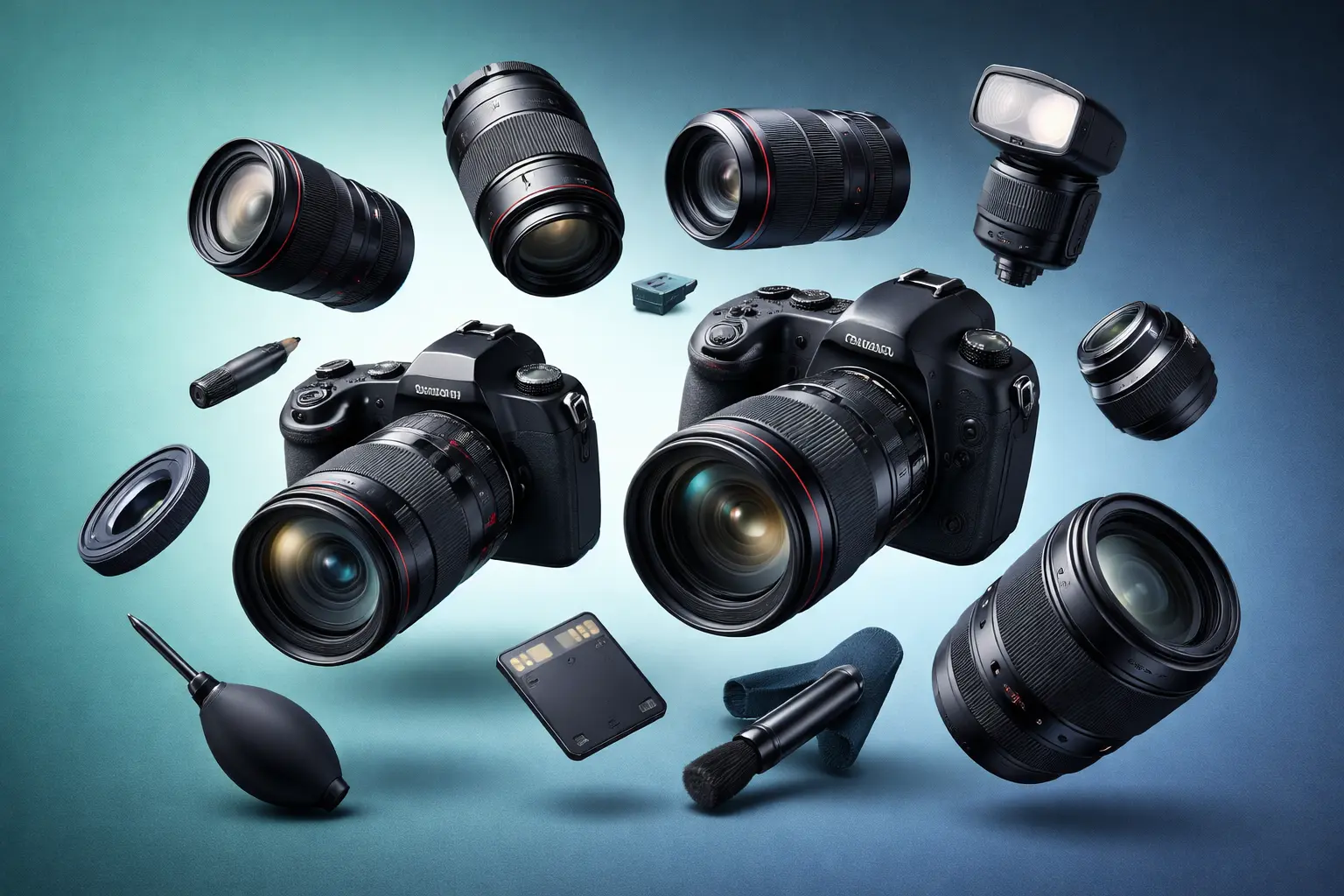
Photography Buying Guide: Everything You Need to Start in 2026
The complete guide to buying your first camera in 2026. From budget options to the DSLR vs mirrorless debate, we cover everything without the gear-head jargon.
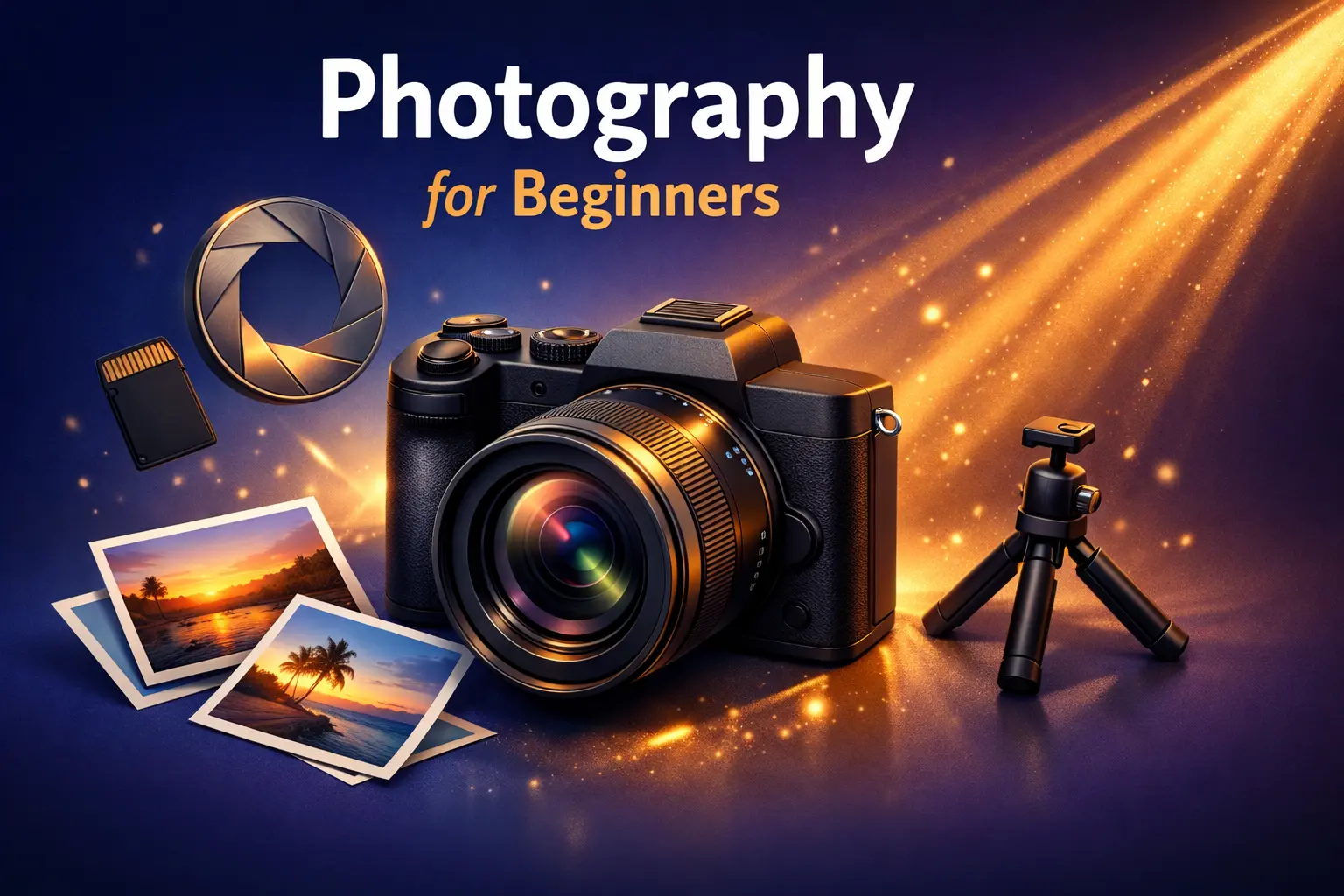
Photography for Beginners: The Complete Guide (2026)
Your complete guide to photography—from choosing your first camera to taking better photos. Everything beginners need to start their photography journey.
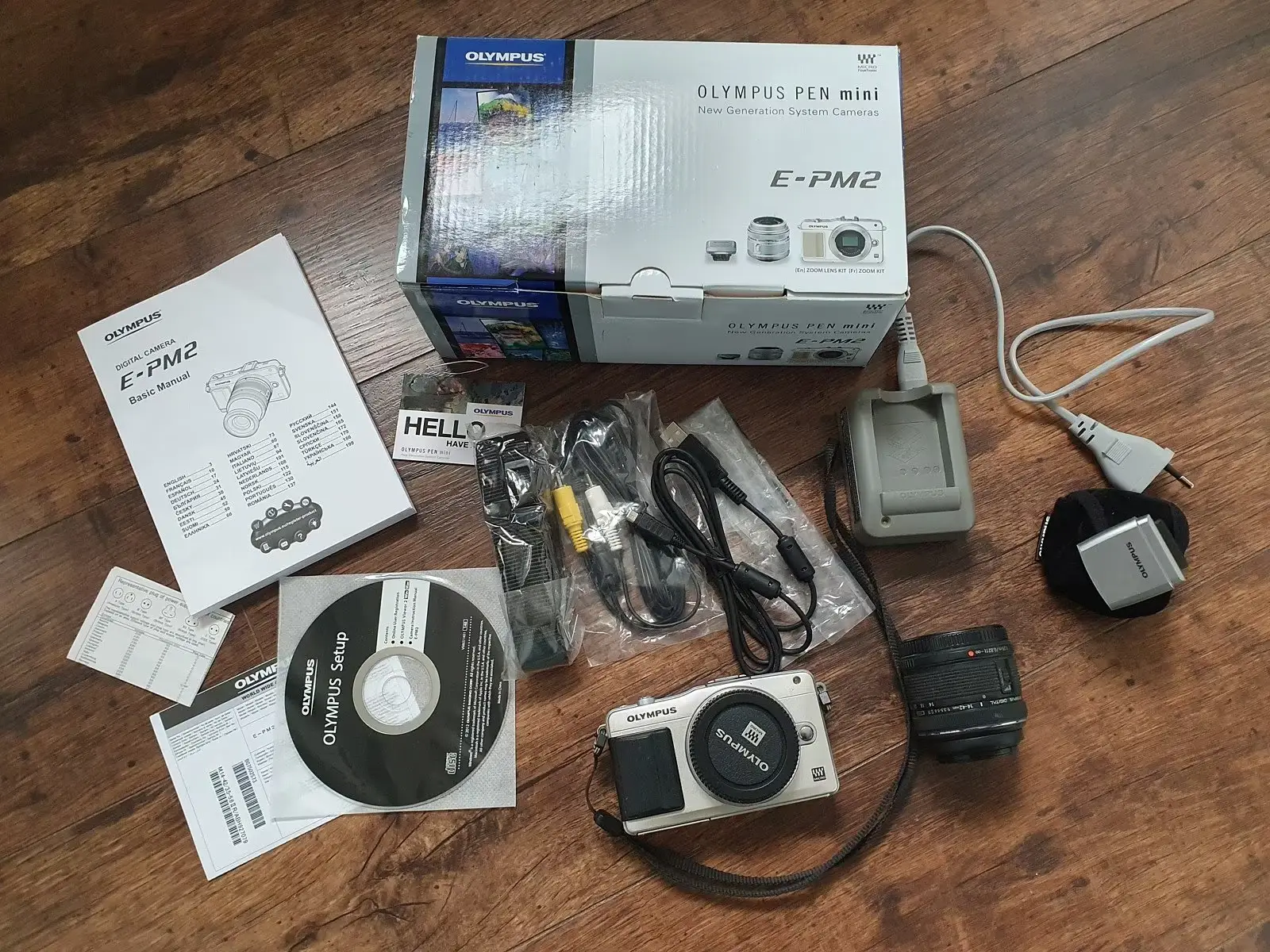
The Tiny Powerhouse: Is the Olympus PEN Lite E-PM2 the Perfect 'Work-Boredom' Camera?
Discover why the Olympus PEN Lite E-PM2 is a hidden gem for photography enthusiasts and bored office workers alike. Specs, prices, and tips included.