
Camera vs Smartphone: Is a Dedicated Camera Still Worth It in 2026?
Should you buy a camera when your smartphone takes great photos? We compare image quality, features, and real-world use cases to help you decide.
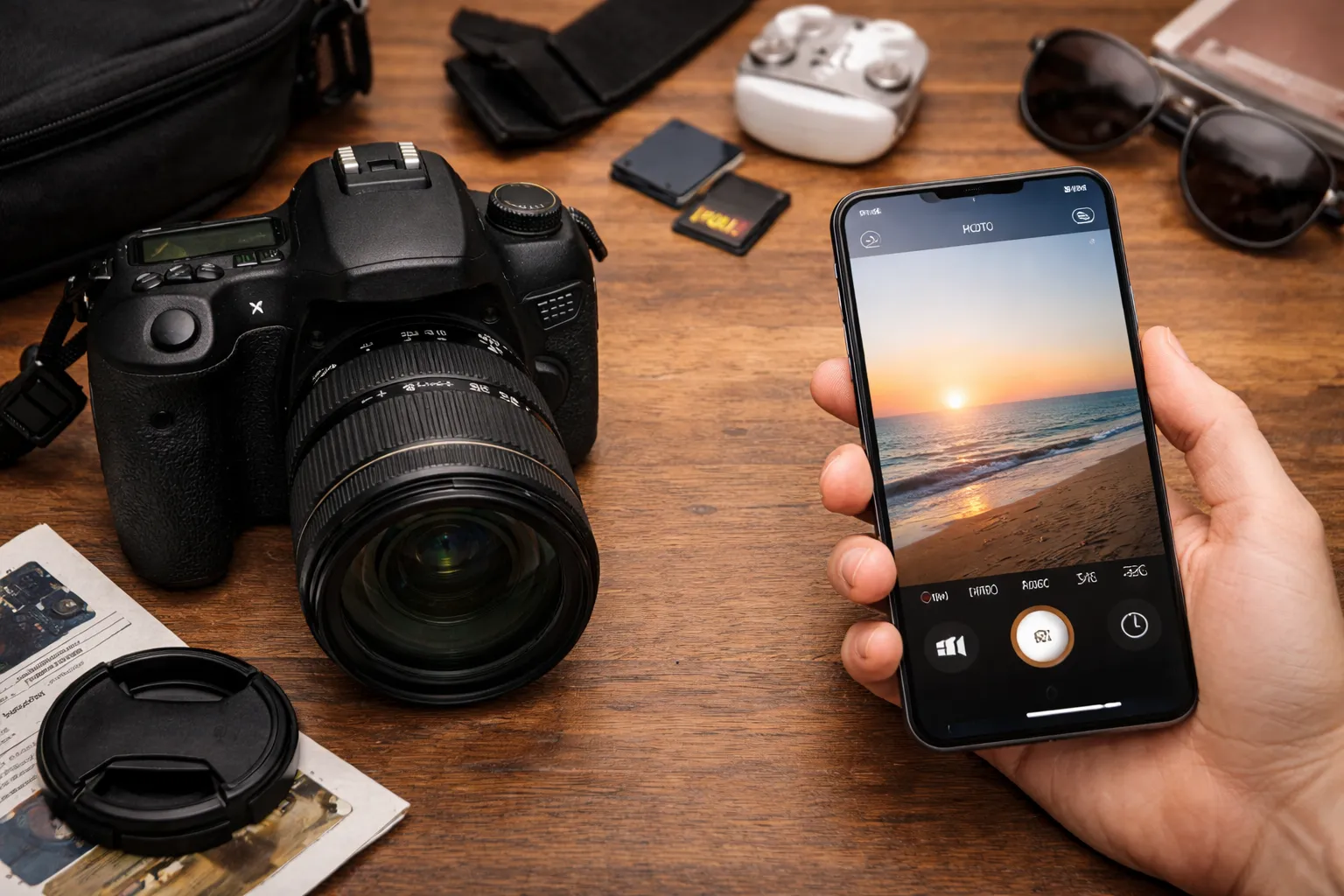
Your smartphone takes incredible photos. The iPhone and Pixel can produce images that genuinely impress. So why would anyone buy a dedicated camera in 2026?
This is the question every potential camera buyer asks - and it deserves an honest answer. In this guide, I’ll compare cameras and smartphones objectively, covering when each excels and helping you decide if a dedicated camera is worth your money.
The Honest Truth
Let me be direct: most people don’t need a dedicated camera.
If you’re happy with your smartphone photos, share primarily on social media, and don’t want photography as a hobby - your phone is enough. Camera manufacturers won’t tell you this. I will.
But for specific users and uses, dedicated cameras remain significantly superior. Let’s explore both sides.
Where Smartphones Excel
1. Convenience
Your phone is always with you. The best camera is the one you have when the moment happens.
- No extra gear to carry
- No batteries to charge separately
- No memory cards to manage
- Instant sharing to social media
- Always in your pocket
Reality: 80% of great photos happen because you had a camera ready. Smartphones win by default.
2. Computational Photography
Modern smartphones combine multiple exposures, AI processing, and machine learning to produce results that would be impossible optically:
- Night mode: Multiple exposures aligned and merged
- Portrait mode: AI-generated background blur
- HDR: Automatic high dynamic range processing
- Scene recognition: Automatic optimization for food, pets, landscapes
- Instant editing: Filters and adjustments built-in
Reality: A smartphone can produce a better-looking image than a camera in auto mode, straight out of the camera.
3. Social Media Integration
If your photos exist primarily on Instagram, TikTok, or social platforms:
- Native 1:1 and 9:16 framing
- Direct upload without transfer
- Built-in filters and editing
- Stories and real-time content
- Location tagging automatic
Reality: For social media, the phone-to-post workflow is seamless. Cameras add friction.
4. Video Convenience
For casual video, smartphones often produce better results than entry-level cameras:
- Excellent stabilization (sensor-shift + electronic)
- Easy vertical video
- Direct upload capability
- Decent audio
- Real-time effects and filters
5. Good Enough Quality
For web viewing, social media, and prints up to 8x10”, modern smartphone photos are genuinely good. Most viewers can’t distinguish phone from camera photos in these contexts.
Where Dedicated Cameras Excel
1. Image Quality in Challenging Light
This is the biggest difference. Larger sensors capture more light.
| Device | Sensor Size | Light Gathering |
|---|---|---|
| iPhone 15 Pro | 1/1.28” (9.8mm) | 1x |
| Canon R100 | APS-C (368mm) | ~37x |
| Full-frame camera | 35mm (864mm) | ~88x |
What this means in practice:
- Clean high ISO: Cameras produce usable images at ISO 6400-12800. Phones get noisy above ISO 800.
- Dynamic range: Cameras capture more detail in shadows and highlights simultaneously.
- Less computational artifacts: No AI artifacts, weird HDR halos, or over-processed looks.
Reality: In good light, differences are subtle. In low light (indoors, evenings, concerts), cameras are dramatically better.
2. True Optical Zoom
Smartphone “zoom” is mostly digital cropping or dedicated telephoto lenses limited to 3-5x.
Cameras offer:
- True optical zoom (70-200mm, 100-400mm, etc.)
- No quality loss when zoomed
- Subject isolation at distance
- Wildlife, sports, and event photography
Reality: If you need to photograph anything more than 10 feet away, cameras with telephoto lenses are incomparably better.
3. Shallow Depth of Field
Phone portrait mode uses AI to simulate blur. It’s impressive but imperfect:
- Edge detection errors (hair, glasses, complex backgrounds)
- Artificial-looking blur
- Limited to “portrait” framing
- Inconsistent results
Cameras produce real optical blur:
- Natural, physics-based bokeh
- Works in any situation
- Controllable via aperture
- No AI artifacts
Reality: For professional portraits, product photography, or any situation where background blur matters, cameras produce noticeably superior results.
4. Interchangeable Lenses
One camera body, many perspectives:
- Wide angle (16-35mm): Landscapes, architecture, interiors
- Standard (24-70mm): General purpose, portraits
- Telephoto (70-200mm): Events, sports, wildlife
- Macro: Extreme close-ups
- Specialty: Fisheye, tilt-shift, ultra-wide
Smartphones are limited to their built-in lenses - typically 0.5x, 1x, and 2-5x options.
5. Manual Control
Cameras offer complete control:
- Aperture (depth of field)
- Shutter speed (motion)
- ISO (sensitivity)
- Focus point selection
- White balance
- Metering modes
Smartphones offer simulated manual modes, but physical limitations prevent true control.
Reality: If you want to learn photography as a craft and control every aspect of your images, cameras are essential.
6. RAW File Flexibility
Camera RAW files contain far more data:
- Greater dynamic range recovery
- More color information
- Better noise reduction options
- Non-destructive editing
You don’t even need a subscription to edit RAW files — RapidRAW is a free, open-source alternative to Lightroom with GPU-accelerated performance.
Phone RAW exists but from smaller sensors with less information captured.
7. Professional Acceptance
Some situations still require “real” cameras:
- Client expectations (weddings, corporate)
- Publication requirements (magazines, stock)
- Large format printing
- Archival quality needs
Reality: Perception matters. Showing up with a phone to a paid shoot affects client confidence, regardless of actual capability.
The Decision Framework
A Camera IS Worth It If You:
Want photography as a hobby The learning process itself is enjoyable. You want to understand exposure, composition, and light. The camera becomes a creative tool, not just a documentation device.
Shoot in low light regularly Indoor events, concerts, evening gatherings, restaurants - anywhere light is limited. The larger sensor makes a visible difference.
Need optical zoom Sports, wildlife, school events, concerts - anything where you can’t get physically close. No phone matches a 200mm lens.
Want professional-quality prints Anything larger than 8x10” benefits from camera resolution and dynamic range.
Plan to sell photography Client perception and actual quality requirements often demand dedicated equipment.
Value the process Using a camera deliberately changes how you see. It’s meditation, not just documentation.
A Camera IS NOT Worth It If You:
You’re happy with phone photos If you’ve never looked at your phone photos and wished for better, you don’t need a camera.
Convenience is paramount If carrying extra gear means you won’t photograph at all, the phone wins.
Social media is your output Phone-to-Instagram workflow is seamless. Camera-to-Instagram adds steps without visible benefit.
You want instant results Camera photography requires learning. If you want great photos without learning, phones with computational photography deliver.
Budget is very tight Money spent on a camera might be better spent on experiences to photograph.
Hybrid Approach: The Best of Both
Many photographers use both:
Phone for:
- Casual snapshots
- Social media content
- Quick documentation
- Video calls and scanning
- When traveling light
Camera for:
- Dedicated photo sessions
- Low light situations
- Events and special occasions
- Creative projects
- Professional work
This isn’t either/or. It’s using the right tool for each situation.
My Recommendation
If you’re asking “should I buy a camera?”, the answer depends on your motivation:
“My phone photos aren’t good enough” Learn to use your phone better first. Composition, lighting, and timing matter more than equipment. If you still want more after improving your skills, then consider a camera.
“I want to learn photography” Buy a camera. The manual controls, deliberate process, and learning curve are the point. A Canon R100 or similar beginner camera is a worthwhile investment in a lifelong skill.
“I need specific capabilities” If you specifically need low-light performance, zoom, or professional output - buy a camera for those specific needs.
“Everyone says cameras are better” They’re not universally better. They’re different. If phone photography makes you happy, continue. Don’t buy a camera because of external pressure.
The Bottom Line
Cameras and smartphones serve different purposes:
Smartphones: Convenient, always-available, computationally enhanced photography optimized for sharing.
Cameras: Intentional, manually controlled, optically superior photography optimized for learning and professional quality.
Neither is “better.” Choose based on your actual needs, not marketing or peer pressure.
If you do decide a camera is right for you, the learning journey ahead is rewarding. Photography changes how you see the world - and that’s worth more than any specification comparison.
Ready to buy? See our guide to the best cameras for beginners or learn about common beginner photography mistakes to avoid. Browse all our photography guides in the Photography Guide and Photography Buying Guide.
Related Articles
Photography Buying Guide: Everything You Need to Start in 2026
The complete guide to buying your first camera in 2026. From budget options to the DSLR vs mirrorless debate, we cover everything without the gear-head jargon.
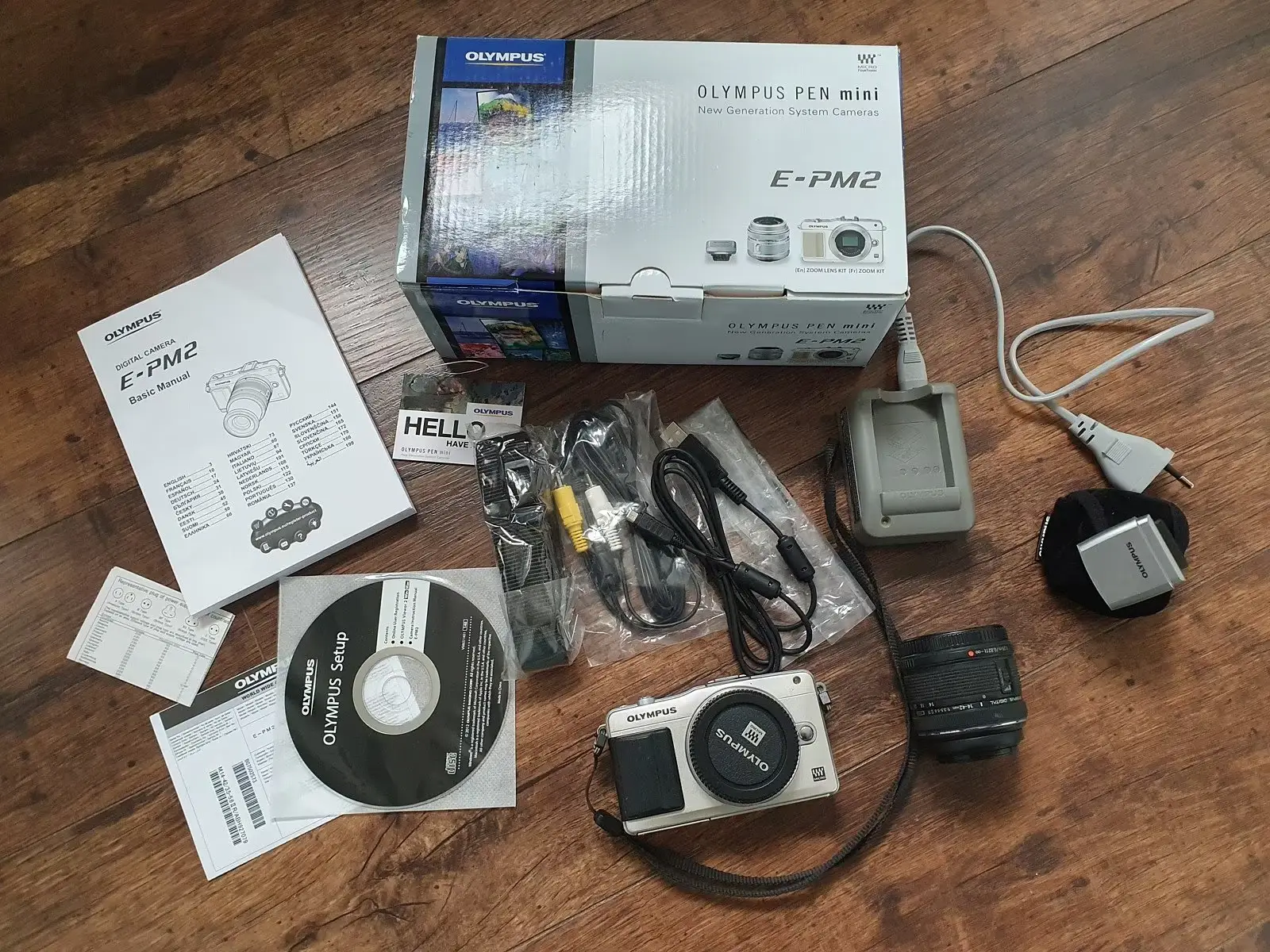
The Tiny Powerhouse: Is the Olympus PEN Lite E-PM2 the Perfect 'Work-Boredom' Camera?
Discover why the Olympus PEN Lite E-PM2 is a hidden gem for photography enthusiasts and bored office workers alike. Specs, prices, and tips included.
Best Cameras Under $500: Top Picks for Budget Photographers (2026)
Best cameras under $500 from Canon, Nikon, and Sony. We review the top budget cameras that deliver excellent image quality for beginners.