
Canon EOS R100 vs Nikon Z50 II: Which Beginner Camera Is Better?
Canon R100 or Nikon Z50 II? We compare these popular beginner mirrorless cameras head-to-head on image quality, autofocus, features, and value.
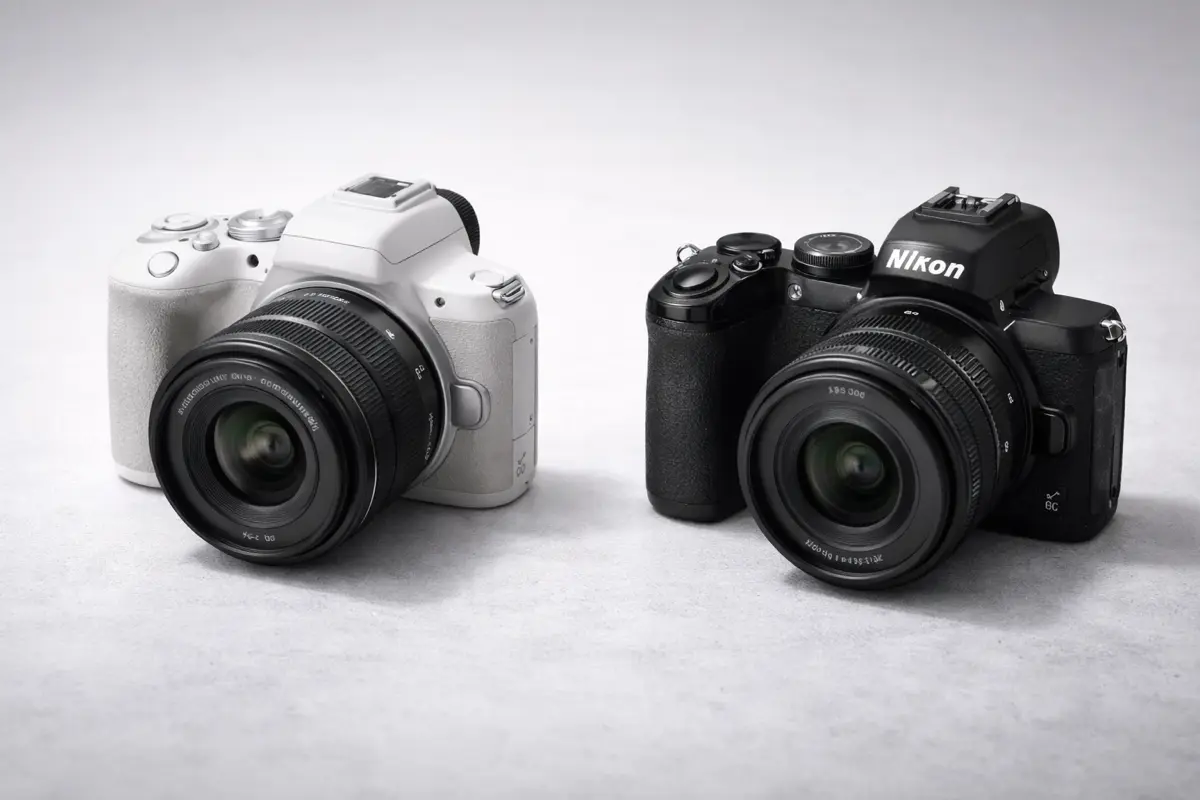
Choosing between the Canon EOS R100 and Nikon Z50 II is one of the most common dilemmas for beginner photographers. Both are excellent entry-level mirrorless cameras from photography’s most established brands. But which one deserves your money?
In this detailed comparison, I’ll break down every important difference to help you make the right choice for your photography needs.
Canon R100 vs Nikon Z50 II: Quick Specs Comparison
| Feature | Canon EOS R100 | Nikon Z50 II |
|---|---|---|
| Price (with kit lens) | ~$480 | ~$860 |
| Sensor | 24.1MP APS-C | 20.9MP APS-C |
| Processor | DIGIC 8 | EXPEED 7 |
| Autofocus Points | 3,975 | 209 (with subject detection) |
| ISO Range | 100-12,800 | 100-51,200 |
| Continuous Shooting | 6.5 fps | 11 fps |
| Video | 4K 24p (cropped) | 4K 30p (uncropped) |
| Screen | 3.0” fixed | 3.2” vari-angle |
| Viewfinder | 2.36M dots | 2.36M dots |
| Image Stabilization | None | None |
| Weight (body only) | 356g | 550g |
| Weather Sealing | No | Basic |
Price: Canon R100 Wins on Value
Canon EOS R100: ~$480 with kit lens Nikon Z50 II: ~$860 with kit lens
The Canon R100 costs about half the price of the Nikon Z50 II. That’s a significant ~$380 difference that could buy:
- Two quality lenses
- A year’s worth of photography education
- Tripod, bag, and accessories
However, the original Nikon Z50 (discontinued predecessor) can be found used for ~$450-550, making it price-competitive with the R100 new. If you’re considering used options, this changes the equation significantly.
Verdict: Canon R100 for budget-conscious buyers. Consider a used original Z50 for similar money with more features.
Image Quality: Nikon Has the Edge
Both cameras produce excellent images that satisfy most photographers. However, technical differences exist. The Z50 II benefits from Nikon’s newer EXPEED 7 processor, which improves color reproduction and noise handling.
Resolution
- Canon R100: 24.1 megapixels
- Nikon Z50 II: 20.9 megapixels
More megapixels isn’t always better. Both provide plenty of resolution for large prints. The Canon offers slightly more cropping flexibility.
Low Light / High ISO Performance
Nikon Z50 II wins clearly here.
The Z50 II’s native ISO extends to 51,200 vs. the R100’s 12,800. More importantly, the Z50 II produces cleaner images at high ISO thanks to the EXPEED 7 processor:
- ISO 3200: Both excellent
- ISO 6400: Nikon slightly cleaner
- ISO 12800: Nikon noticeably better
- ISO 25600+: Only Nikon goes this high
For indoor events, concerts, or evening photography, the Z50 II’s low-light advantage matters.
Dynamic Range
Nikon sensors typically offer slightly better dynamic range - the ability to capture detail in both bright and dark areas. In high-contrast scenes, the Z50 II recovers more shadow and highlight detail.
Color Science
This is subjective:
- Canon: Warm, pleasing skin tones, slightly saturated
- Nikon: Neutral, accurate, excellent for landscapes
Both are excellent. Most photographers can achieve their desired look with either camera through editing — a fast RAW editor like RapidRAW makes this easy even for beginners.
Verdict: Nikon Z50 II for image quality, especially in challenging light. Canon R100 is excellent in good lighting conditions.
Autofocus: Canon’s Hidden Strength
Despite the price difference, the Canon R100’s autofocus is remarkably capable.
Canon EOS R100 Autofocus
- Dual Pixel CMOS AF II
- 3,975 selectable positions
- Eye detection for humans
- Subject tracking
- 100% sensor coverage
Nikon Z50 II Autofocus
- Hybrid AF system with EXPEED 7
- 209 points (phase detection)
- Eye detection for humans, animals, and vehicles (subject detection)
- Advanced subject tracking
- 90% sensor coverage
Real-World Performance
For portraits: Both cameras lock onto eyes reliably. Canon’s higher point count means more precise positioning.
For action: Nikon’s 11fps burst with tracking edges out Canon’s 6.5fps for sports and wildlife.
For video: Canon’s autofocus is smooth and reliable. Nikon is also good but occasionally hunts in challenging light.
Verdict: Tie. Canon has more AF points and coverage; Nikon has faster burst speed with tracking.
Video Capabilities: Nikon Takes It
If video matters, the Nikon Z50 II is clearly superior.
Canon EOS R100 Video
- 4K 24p (1.56x crop)
- 1080p 60p
- No image stabilization
- Fixed screen (difficult for vlogging)
- Dual Pixel AF in video
Nikon Z50 II Video
- 4K 30p uncropped
- 1080p 120p slow motion
- Electronic VR stabilization
- Vari-angle screen (vlog-friendly)
- Subject-detection AF in video
The Nikon Z50 II offers:
- Higher frame rates (30p vs 24p in 4K)
- No crop in 4K (uncropped DX)
- Slow motion capability (1080p 120p)
- Vari-angle screen for self-shooting
- Built-in electronic stabilization
Verdict: Nikon Z50 II for video creators, clearly.
Build Quality and Ergonomics
Canon EOS R100
- Lightweight plastic body (356g)
- Compact design
- Small grip
- Fixed LCD screen
- No weather sealing
- Simple, clean design
The R100 is impressively small and light. It’s easy to carry all day but may feel cramped for larger hands.
Nikon Z50 II
- More substantial build (550g)
- Deep, comfortable grip
- 3.2” vari-angle touchscreen
- Basic weather sealing
- Better button layout
- More premium feel
The Z50 II feels like a more serious camera. The deeper grip is comfortable for extended shooting, and the vari-angle screen adds flexibility for vlogging and creative angles.
Verdict: Nikon Z50 II for build quality and ergonomics. Canon R100 for maximum portability.
User Experience: Canon’s Beginner Focus
Canon EOS R100
Canon designed the R100 specifically for beginners:
- Guided Display mode explains every setting
- Feature Assistant teaches as you shoot
- Scene Intelligent Auto handles exposure automatically
- Simple, uncluttered menus
- Gradual transition to manual modes
The R100 is genuinely educational. It helps beginners understand what settings do while they shoot. Pair it with our guide on beginner photography mistakes to avoid to accelerate your learning.
Nikon Z50 II
The Z50 II is beginner-friendly but less hand-holding:
- Guide mode available
- More traditional menu structure
- More controls accessible
- Steeper learning curve
- More customization options
Nikon assumes slightly more prior knowledge. It’s not difficult, but it doesn’t teach as actively.
Verdict: Canon R100 for absolute beginners. Nikon Z50 II for those willing to invest more learning time.
Lens Ecosystem: Both Are Growing
Canon RF Mount
- Growing native lens selection
- EF-RF adapter for thousands of EF lenses
- Third-party support increasing
- Some affordable native options (RF-S 18-45mm, RF 50mm f/1.8)
Nikon Z Mount
- Smaller native DX lens selection
- FTZ adapter for extensive F-mount library
- Third-party support growing
- Excellent native kit lenses
Current reality: Canon’s RF mount has more native lens options, but both systems can adapt older lenses with minimal compromise.
Verdict: Slight edge to Canon for native lens variety. Both work well with adapted lenses.
Which Camera Should You Buy?
Buy the Canon EOS R100 if you:
- Have a tighter budget - $380 saved is significant
- Are a complete beginner - Guided Display mode helps you learn
- Want maximum portability - It’s smaller and lighter
- Prioritize photos over video - Photo features are excellent
- Value simplicity - Fewer features to overwhelm you
Buy the Nikon Z50 II if you:
- Plan to shoot video - Superior 4K 30p uncropped video
- Shoot in low light often - Better high-ISO performance
- Want a vari-angle screen - Essential for vlogging
- Prefer premium build - Feels more substantial
- Shoot action/sports - 11fps burst rate with subject detection
Consider a Used Original Nikon Z50 if you:
- Want Z50-level features at R100 prices
- Are comfortable buying used from reputable dealers
- Can find one in good condition (~$450-550)
My Recommendation
For most beginners: Canon EOS R100
At nearly half the price, the R100 delivers 90% of what beginners need. Its educational features actually help you learn photography faster. The money saved can go toward lenses or accessories.
For video-focused beginners: Nikon Z50 II
If you plan to create YouTube content, vlogs, or any video alongside photos, the Z50 II’s vari-angle screen, 4K 30p uncropped video, subject-detection AF, and built-in stabilization justify the premium. You’ll also want a solid webcam for video calls if you work from home.
The smart move: Try both cameras in a store. Feel them in your hands. Navigate their menus. The “right” camera is the one that feels intuitive to you. Brand loyalty matters far less than personal fit.
Sample Use Cases
Portrait Photography
Winner: Tie Both cameras have excellent eye-detection autofocus. Canon’s slightly warmer skin tones may appeal to portrait photographers.
Landscape Photography
Winner: Nikon Z50 II Better dynamic range for high-contrast scenes. Though both are capable.
Street Photography
Winner: Canon R100 Smaller size is less intimidating. Easier to shoot discreetly.
Event Photography
Winner: Nikon Z50 II Superior low-light performance, faster burst rate, and subject-detection AF.
Vlogging/YouTube
Winner: Nikon Z50 II Vari-angle screen is essential. Better video specs overall.
Travel Photography
Winner: Canon R100 Lighter weight, more compact, better battery life per gram.
Learning Photography
Winner: Canon R100 Guided Display mode actively teaches you.
The Bottom Line
The Canon EOS R100 and Nikon Z50 II are both excellent cameras that will serve beginners well for years. The choice comes down to priorities:
- Budget and simplicity: Canon R100
- Features and versatility: Nikon Z50 II
Neither choice is wrong. Both can produce professional-quality images. Both have growing lens ecosystems. Both are made by companies with decades of photography expertise.
Pick the one that feels right, and start shooting. The best camera is the one you’ll actually use.
Still deciding? Read our complete guide to the best cameras for beginners or learn about DSLR vs mirrorless cameras. For all our photography content, see the Photography Guide and Photography Buying Guide.
Related Articles
Photography for Beginners: The Complete Guide (2026)
Your complete guide to photography—from choosing your first camera to taking better photos. Everything beginners need to start their photography journey.
Photography Buying Guide: Everything You Need to Start in 2026
The complete guide to buying your first camera in 2026. From budget options to the DSLR vs mirrorless debate, we cover everything without the gear-head jargon.
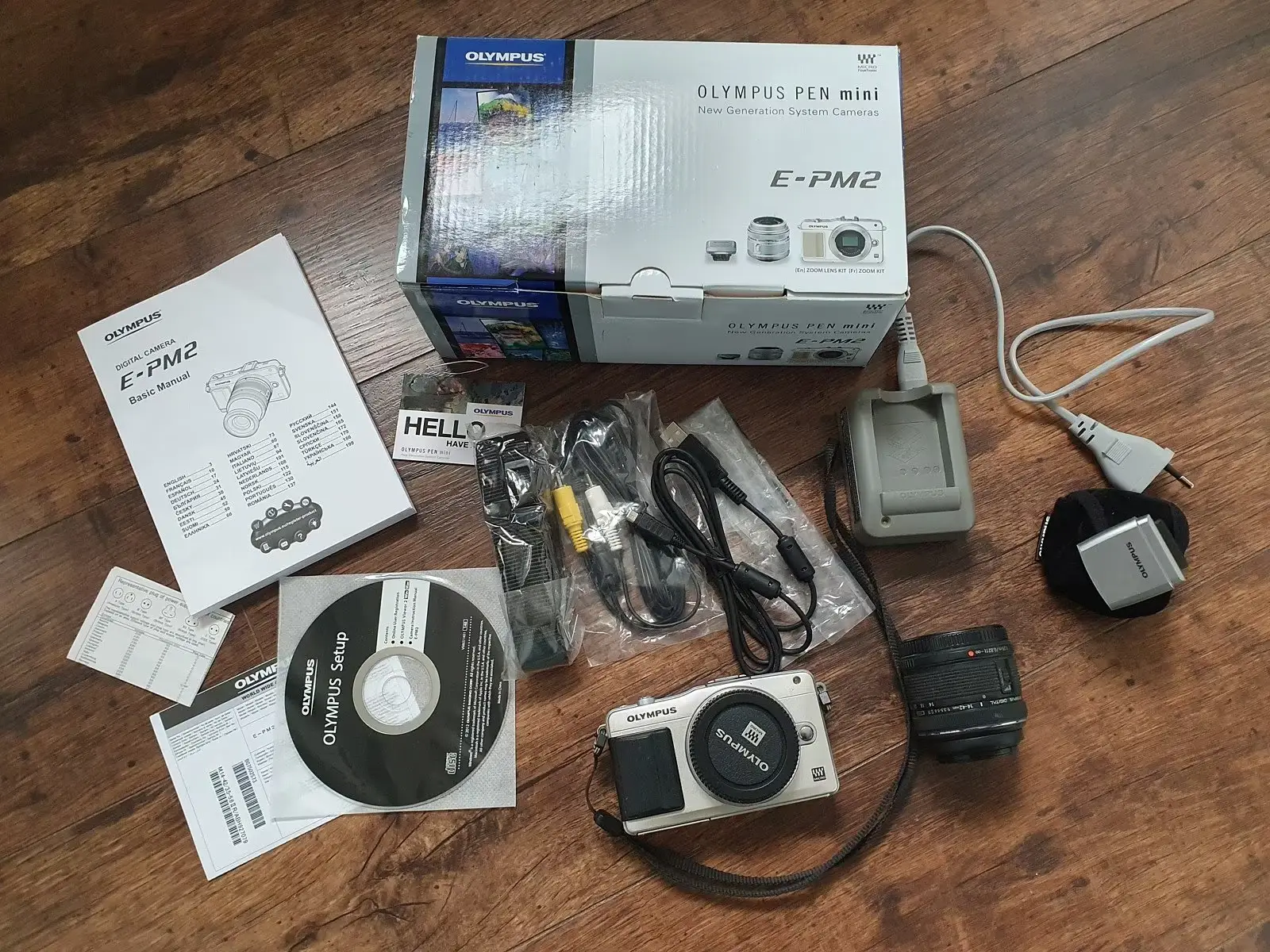
The Tiny Powerhouse: Is the Olympus PEN Lite E-PM2 the Perfect 'Work-Boredom' Camera?
Discover why the Olympus PEN Lite E-PM2 is a hidden gem for photography enthusiasts and bored office workers alike. Specs, prices, and tips included.