
Why Cheap Manual Lenses Are Perfect for Beginners (7Artisans, TTArtisan)
Discover why affordable manual lenses from brands like 7Artisans and TTArtisan are the best secret weapon for beginner photographers to learn the craft quickly.
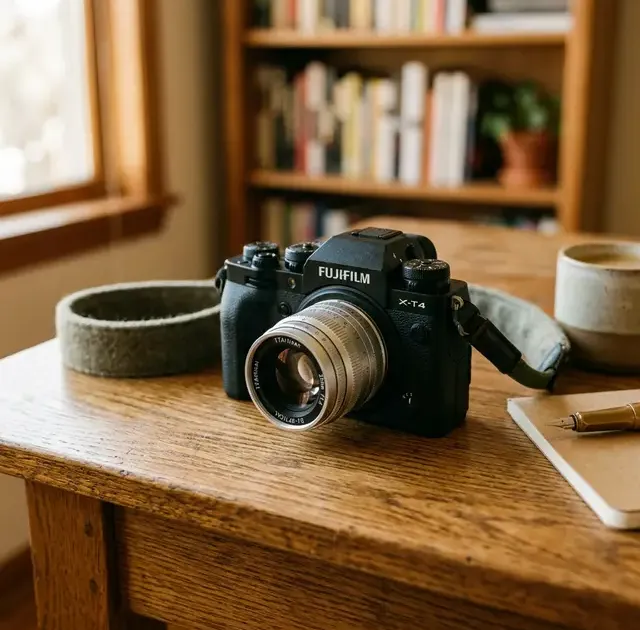
If you’ve recently bought your first camera and are looking at lens upgrades, you’ve probably noticed something terrifying: lenses are incredibly expensive.
You start out by reading our Photography Guide for Beginners, pick up a solid entry-level mirrorless camera like one from our Best Cameras for Beginners list, and suddenly discover that a simple 35mm or 50mm prime lens can cost as much as the camera itself.
But there is a well-kept secret in the photography community. A gateway gear choice that will both save your wallet and rapidly improve your photography skills: cheap, modern manual lenses.
Brands like 7Artisans and TTArtisan have flooded the market with sub-$100 lenses that are shockingly good. If you’re a beginner, here is why a fully manual lens should ideally be your first purchase after the kit lens.
1. They Force You to Actually Learn Photography
Modern autofocus is basically magic. Whether you are using a DSLR or an advanced mirrorless system (as detailed in our DSLR vs Mirrorless comparison), modern cameras will find a subject’s eye and lock onto it instantly.
While that’s great for professionals who can’t afford to miss a moment, it creates a crutch for beginners. You end up relying on the computer inside the camera.
When you attach a fully manual lens, there are no electronic contacts. The camera can’t adjust the focus, and often, it can’t even adjust the aperture. This means you have to do it. You physically turn the aperture ring, seeing exactly how letting in more light affects the depth of field. You manually spin the focus ring to decide exactly where the viewer’s eye should go.
It slows you down. It makes you deliberate. And this deliberate action is the absolute fastest way to master the exposure triangle.
2. Unbeatable Value for Fast Apertures
A fast aperture (like f/1.2, f/1.4, or f/1.8) is critical for two things:
- Low Light: Taking photos indoors or at night without raising your ISO to noisy levels.
- Bokeh: Getting that beautiful, creamy blurred background that separates “real” camera photos from smartphone photos.
A native autofocus lens with an f/1.4 aperture can easily cost between $500 and $1,500.
A 7Artisans or TTArtisan 35mm f/1.4 often costs under $80.
Yes, they lack weather sealing. Yes, the corners might be a little soft when shooting wide open compared to a $1000 Sony G-Master. But for a beginner trying to understand how beautiful background blur is created, the value proposition is completely unmatched.
3. They Help Avoid Common Beginner Mistakes
One of the most common beginner photography mistakes is simply a lack of intentionality—taking “snapshots” instead of “photographs.”
When everything is automatic, it’s easy to just point and spray. When focusing is manual, you have to decide if the subject is worth capturing before you take the effort to dial in focus. It reduces visual clutter and makes you think intensely about composition (the Rule of Thirds, leading lines, framing) before pressing the shutter.
4. Focus Peaking Makes Manual Focus Easy
“But won’t all my photos be blurry if I have to focus manually?”
Ten years ago, maybe. But today, almost every mirrorless camera has a feature called Focus Peaking. When turned on, the camera will highlight the areas of the image that are currently in focus with a bright color (usually red, yellow, or white) on your electronic viewfinder or screen.
This completely revolutionizes manual focus. You just turn the ring until the eye of your subject lights up in red, and you take the shot. It takes a little practice, but once you get the hang of it, you can focus manually incredibly fast.
Which Brands Are Best?
While there are many vintage lens options out there, adapting vintage glass usually requires buying separate mount adapters. The beauty of modern cheap manuals is that they have native mounts for everything from Sony E to Fuji X and Micro Four Thirds.
TTArtisan
Known for having excellent build quality (often solid metal) and sharp optics for the price. Their 35mm f/1.4 and 50mm f/1.2 are legendary entry-level picks.
7Artisans
Very similar to TTArtisan, with a wide range of affordable prime lenses. They often produce lenses with a very unique “character” or vintage rendering that can make your photos stand out from the clinically perfect (but sometimes boring) modern native lenses.
Conclusion: Slower is Better
Upgrading gear is a dangerous trap (we call it Gear Acquisition Syndrome). But if you have $70 to spare, skipping a meal out to pick up a TTArtisan 35mm f/1.4 might be the single best investment you can make in your photography journey.
It will force you to become intimately familiar with how light enters a camera, naturally preventing many of the lazy habits beginners form. And when you finally do buy that expensive autofocus lens a year down the road, you’ll actually know how to use it.
Next Steps:
- Need help picking your first camera? Read our guide to the Best Cameras Under $500.
- Check out the foundational Photography Guide for Beginners to solidify your understanding of the exposure triangle.
Related Articles
Photography for Beginners: The Complete Guide (2026)
Your complete guide to photography—from choosing your first camera to taking better photos. Everything beginners need to start their photography journey.
Photography Buying Guide: Everything You Need to Start in 2026
The complete guide to buying your first camera in 2026. From budget options to the DSLR vs mirrorless debate, we cover everything without the gear-head jargon.
DSLR vs Mirrorless for Beginners: Which Camera Type Should You Buy?
DSLR or mirrorless camera? We explain the key differences, pros and cons, and help beginners decide which camera type is right for their photography journey.