
Photography Buying Guide: Everything You Need to Start in 2026
The complete guide to buying your first camera in 2026. From budget options to the DSLR vs mirrorless debate, we cover everything without the gear-head jargon.
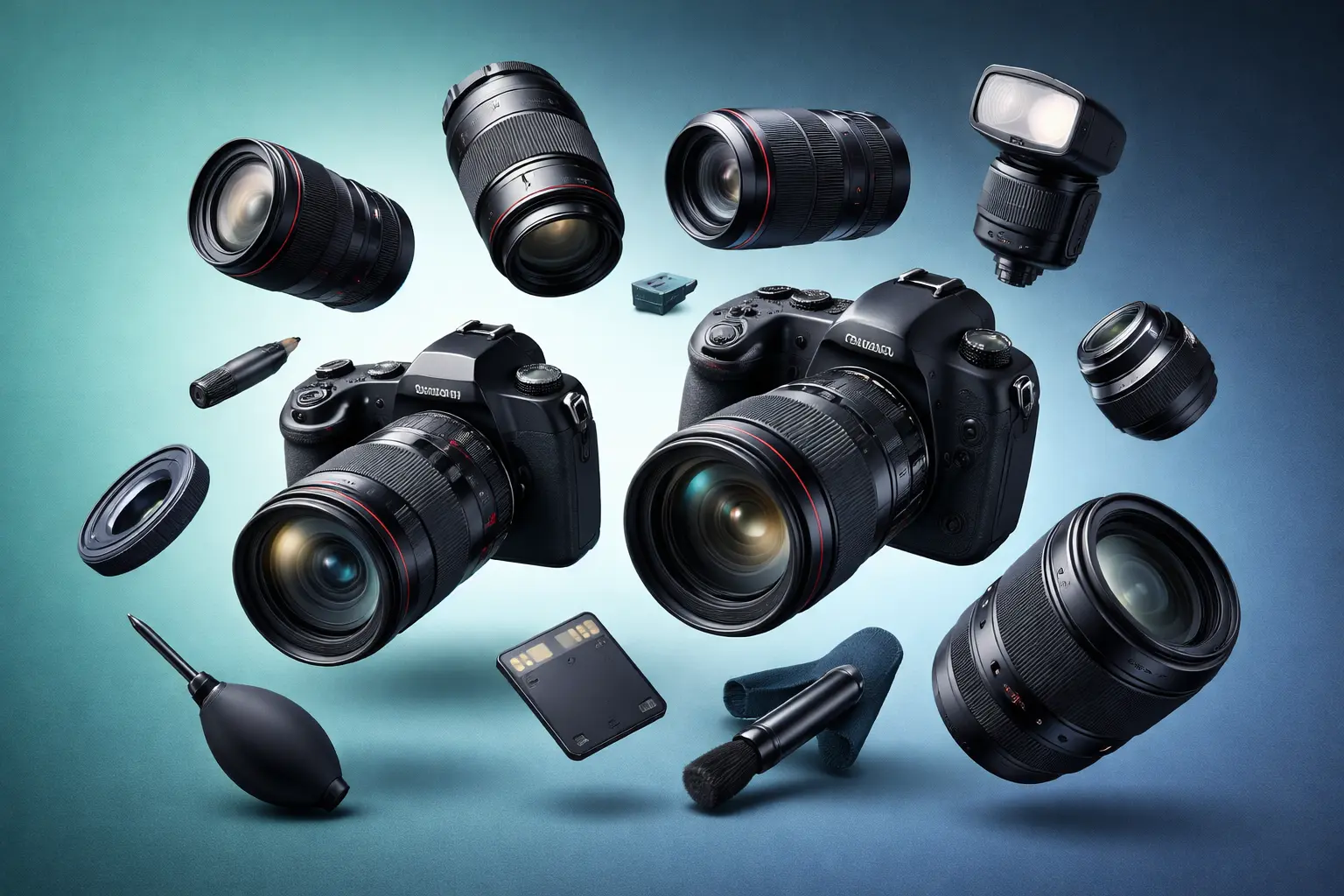
So you want to get into photography. The internet is full of gear heads arguing about sensor sizes and autofocus points. Here’s what actually matters when you’re starting out.
This hub brings together everything you need to make smart buying decisions — from whether you even need a camera to exactly what to buy at every budget level.
Before You Buy: The Honest Questions
Photography gear can be a money pit. Before spending anything, let’s make sure you’re buying for the right reasons.
Do You Even Need a Camera?
Modern smartphones have incredible cameras. The iPhone 15 Pro and Samsung Galaxy S24 Ultra can produce stunning images that would have required professional gear a decade ago. So when does a dedicated camera actually make sense?
Get a camera if you want:
- Manual control — Shutter speed, aperture, ISO at your fingertips
- Better low-light performance — Larger sensors capture more light
- Shallow depth of field — That creamy background blur (bokeh)
- Interchangeable lenses — Wide, telephoto, macro, specialty
- Raw files — Maximum editing flexibility
- Optical zoom — Real zoom, not digital cropping
- To learn the craft — Photography as a skill, not just snapshots
Stick with your phone if you:
- Mostly share on social media (Instagram compresses everything anyway)
- Value convenience over control
- Take photos occasionally, not as a hobby
- Aren’t sure photography is “your thing” yet
Recommended reading: Camera vs Smartphone — The complete breakdown of when each makes sense.
The Real Cost of Photography
Cameras are just the beginning. Here’s what a realistic first-year budget looks like:
| Item | Budget Option | Mid-Range |
|---|---|---|
| Camera body + kit lens | $400-500 | $700-900 |
| Memory card (128GB) | $20 | $20 |
| Extra battery | $25 | $40 |
| Camera bag | $30 | $60 |
| First prime lens | $100-150 | $200-300 |
| Tripod | $30 | $80 |
| Editing software | Free (Darktable) | $10/mo (Lightroom) |
| Year 1 Total | ~$650 | ~$1,200 |
Don’t buy everything at once. Start with the camera and kit lens, then add gear as you identify specific needs.
The Big Decision: DSLR vs Mirrorless
This is the first choice you’ll face. Here’s the simple answer: buy mirrorless.
Why Mirrorless Wins in 2026
- It’s the future. Canon, Nikon, and Sony have all shifted R&D to mirrorless. New lenses and features come to mirrorless first.
- Better autofocus. Eye-tracking AF that follows subjects across the frame is standard on mirrorless, rare on DSLRs.
- Smaller and lighter. No mirror box means more compact bodies.
- What you see is what you get. The electronic viewfinder shows your actual exposure in real-time.
- Silent shooting. Electronic shutters make no sound — great for events and wildlife.
When DSLR Still Makes Sense
- You find an incredible used deal (body + lenses under $300)
- You want optical viewfinder experience
- Battery life is critical (DSLRs last longer per charge)
- You’re buying into a system where someone’s giving you their old lenses
Recommended reading: DSLR vs Mirrorless for Beginners — The complete comparison with specific model recommendations.
Choosing Your First Camera
Now let’s get specific. Here are the best options at every budget level in 2026.
Budget Tier: Under $500
At this level, you’re looking at entry-level mirrorless or used gear.
| Camera | Price | Pros | Cons |
|---|---|---|---|
| Canon EOS R100 | ~$480 | Compact, great colors, Canon ecosystem | No image stabilization, fixed screen |
| Used Sony A6000 | ~$300-350 | Excellent AF, compact | Older (2014), no 4K |
| Used Nikon Z50 | ~$450-500 | Great image quality, tilting screen (successor: Z50 II ~$860) | Smaller lens selection |
| Used Fujifilm X-T200 | ~$400 | Beautiful colors, fun dials | Discontinued |
Our pick: Canon EOS R100 for new gear, Used Sony A6000 for maximum value.
Mid-Range: $500-800
This is the sweet spot for most beginners. You get modern features without overspending.
| Camera | Price | Pros | Cons |
|---|---|---|---|
| Nikon Z50 II | ~$860 | Excellent image quality, EXPEED 7, subject-detection AF | Limited native lens selection |
| Sony A6400 | ~$900 | Best-in-class autofocus, no recording limit | Menu system is confusing |
| Canon EOS R50 | ~$680 | Compact, great video, excellent AF | Smaller battery |
| Fujifilm X-S10 | ~$800 (used) | In-body stabilization, beautiful colors | Discontinued |
Our pick: Nikon Z50 II for photos, Sony A6400 for video.
Enthusiast: $800-1,200
At this level, you’re getting cameras that can grow with you for years.
| Camera | Price | Pros | Cons |
|---|---|---|---|
| Sony A6700 | ~$1,400 | Best APS-C all-rounder | Pricey |
| Fujifilm X-S20 | ~$1,300 | Stunning colors, great video | Expensive for APS-C |
| Canon EOS R7 | ~$1,500 | Fast shooting, excellent AF | Overkill for beginners |
Our advice: Unless you have specific needs, the mid-range tier offers better value. Spend the difference on a good lens.
Recommended reading:
- Best Cameras Under $500 — Detailed budget options
- Best Cameras for Beginners — Comprehensive starter guide
- Canon R100 vs Nikon Z50 II — Head-to-head comparison
Understanding Lenses (More Important Than Bodies)
Here’s a secret: lenses matter more than camera bodies. A great lens on a cheap body beats a cheap lens on an expensive body.
Kit Lenses: Good Enough to Start
Every camera comes with a “kit lens” — usually an 18-55mm or 15-45mm zoom. These are designed to be versatile and affordable.
Kit lens pros:
- Covers wide to short telephoto (good for most situations)
- Lightweight and compact
- Included in the price
Kit lens cons:
- Slow aperture (f/3.5-5.6) — not great in low light
- Average sharpness
- Plastic build quality
Verdict: Use the kit lens for 6 months. It’s good enough to learn. Only upgrade when you know exactly what you need.
Your First Upgrade: The “Nifty Fifty”
A 50mm f/1.8 prime lens (called the “nifty fifty”) should be your first additional purchase:
- Low light performance: f/1.8 lets in way more light than kit lenses
- Background blur: Beautiful bokeh for portraits
- Sharp: Prime lenses are sharper than zooms at the same price
- Affordable: $100-200 depending on brand
Every major brand makes one:
- Canon RF 50mm f/1.8 STM — ~$200
- Nikon Z 40mm f/2 — ~$280
- Sony FE 50mm f/1.8 — ~$200
Lens Buying Priority
After the kit lens and nifty fifty, here’s what to consider based on your style:
| Photography Style | Next Lens | Why |
|---|---|---|
| Portraits | 85mm f/1.8 | Flattering focal length, great blur |
| Landscapes | 16-35mm wide angle | Capture sweeping scenes |
| Street | 35mm f/2.8 | Classic focal length, compact |
| Wildlife/Sports | 70-300mm telephoto | Reach distant subjects |
| Macro | 90mm macro | True 1:1 magnification |
Avoid These Beginner Mistakes
Learning from others’ mistakes saves money and frustration.
Mistake 1: Buying Too Much Gear
You don’t need a camera bag full of lenses. Most pros use 2-3 lenses for 90% of their work. Start with the kit lens, identify what’s limiting you, then buy specifically to solve that problem.
Mistake 2: Obsessing Over Specs
Megapixels, dynamic range, ISO performance — these matter far less than composition and lighting. A 12-megapixel camera from 2015 can take better photos than a 45-megapixel camera in untrained hands.
Mistake 3: Ignoring the Used Market
Camera gear holds value well and used gear is often barely used. A camera with 5,000 shutter clicks is essentially new. The used market offers 30-50% savings.
Where to buy used:
- MPB (warranty included)
- KEH Camera
- Facebook Marketplace (meet in person)
- r/photomarket
- eBay (check seller ratings)
Mistake 4: Buying Cheap Tripods
A wobbly tripod is worse than no tripod. Spend $80-100 on a decent aluminum tripod rather than $30 on one that shakes in the wind.
Mistake 5: Skipping the Manual
Modern cameras have incredible features buried in menus. Spend an evening reading the manual. You’ll discover functions that would take months to find randomly.
Recommended reading: Beginner Photography Mistakes — 10 common errors and how to avoid them.
Buying from Japan
Some of the best camera deals are on the Japanese used market. Japanese sellers are known for honest condition grading and excellent packaging.
Why Japan?
- Prices are often 20-40% lower than US/EU
- Japanese sellers grade condition conservatively (their “Good” is often “Excellent” elsewhere)
- Vintage lenses are abundant
- Unique limited editions and Japanese-market cameras
How to Buy
You’ll need a proxy service that buys on your behalf and ships internationally:
- Buyee — Easiest to use, higher fees
- Sendico — Lower fees, more manual
- From Japan — Good for high-value items
Recommended reading:
- How to Buy from Japan — Complete proxy service guide
- Buyee vs Sendico — Which service is better?
- Best Japanese Products to Import — Cameras are #1 on this list
The Recommended Path
Month 1: Start Shooting
- Buy an entry-level mirrorless (Canon R100 or used Sony A6000)
- Use only the kit lens
- Shoot 500+ photos
- Learn the exposure triangle (aperture, shutter speed, ISO)
Months 2-3: Learn the Fundamentals
- Study composition (rule of thirds, leading lines, framing)
- Practice in different lighting conditions
- Learn basic editing (Lightroom or free alternatives)
- Shoot 1000+ more photos
Months 4-6: Identify Your Style
After 3-6 months, you’ll know if you prefer:
- Portraits → Need fast prime lenses (50mm, 85mm)
- Landscapes → Need wide angle lens, tripod
- Street → Need compact setup (35mm prime)
- Wildlife → Need telephoto zoom, fast AF body
- Macro → Need dedicated macro lens
Month 6+: Upgrade Strategically
Now you’re ready to spend money wisely:
- Buy the specific lens for your style
- Consider a body upgrade only if your current one is limiting you
- Add accessories based on real needs, not “might use someday”
Budget Starter Kits
The $500 Kit
| Item | Price |
|---|---|
| Canon EOS R100 + kit lens | $480 |
| Extra battery (third-party) | $25 |
| 128GB SD card | $20 |
| Total | $525 |
The $750 Kit (Used Z50)
| Item | Price |
|---|---|
| Used Nikon Z50 + kit lens | ~$500 |
| Nikon Z 40mm f/2 | $280 |
| Extra battery | $40 |
| 128GB SD card | $20 |
| Total | $840 |
The $1000 Kit (Best Value)
| Item | Price |
|---|---|
| Sony A6400 + kit lens | $900 |
| Sony 50mm f/1.8 | $200 |
| Extra battery | $40 |
| 128GB SD card | $20 |
| Basic tripod | $60 |
| Camera bag | $40 |
| Total | $1,260 |
The Bottom Line
Photography gear can be a rabbit hole. Here’s how to avoid it:
- Buy one camera body — Entry-level mirrorless is perfect
- Use the kit lens for 6 months — It’s better than you think
- Take 1000 photos before buying anything else — Learn what you actually need
- Upgrade to solve specific problems — Not because gear looks cool
The best camera is the one you actually use. Start simple, learn the craft, then spend money where it matters.
Your first 10,000 photos are your worst — and you need to take them to get to the good ones. No amount of gear skips that step.
Ready to start? Check out Best Cameras Under $500 for our detailed budget recommendations, or DSLR vs Mirrorless if you’re still deciding on camera type.
Related Articles
Photography for Beginners: The Complete Guide (2026)
Your complete guide to photography—from choosing your first camera to taking better photos. Everything beginners need to start their photography journey.
![7 Best Cameras for Beginners in 2026 [Tested & Ranked]](/images/best-cameras-beginners.webp)
7 Best Cameras for Beginners in 2026 [Tested & Ranked]
Tested 7 beginner cameras from Canon, Nikon, and Sony. Mirrorless vs DSLR compared with real photos — find your perfect first camera.
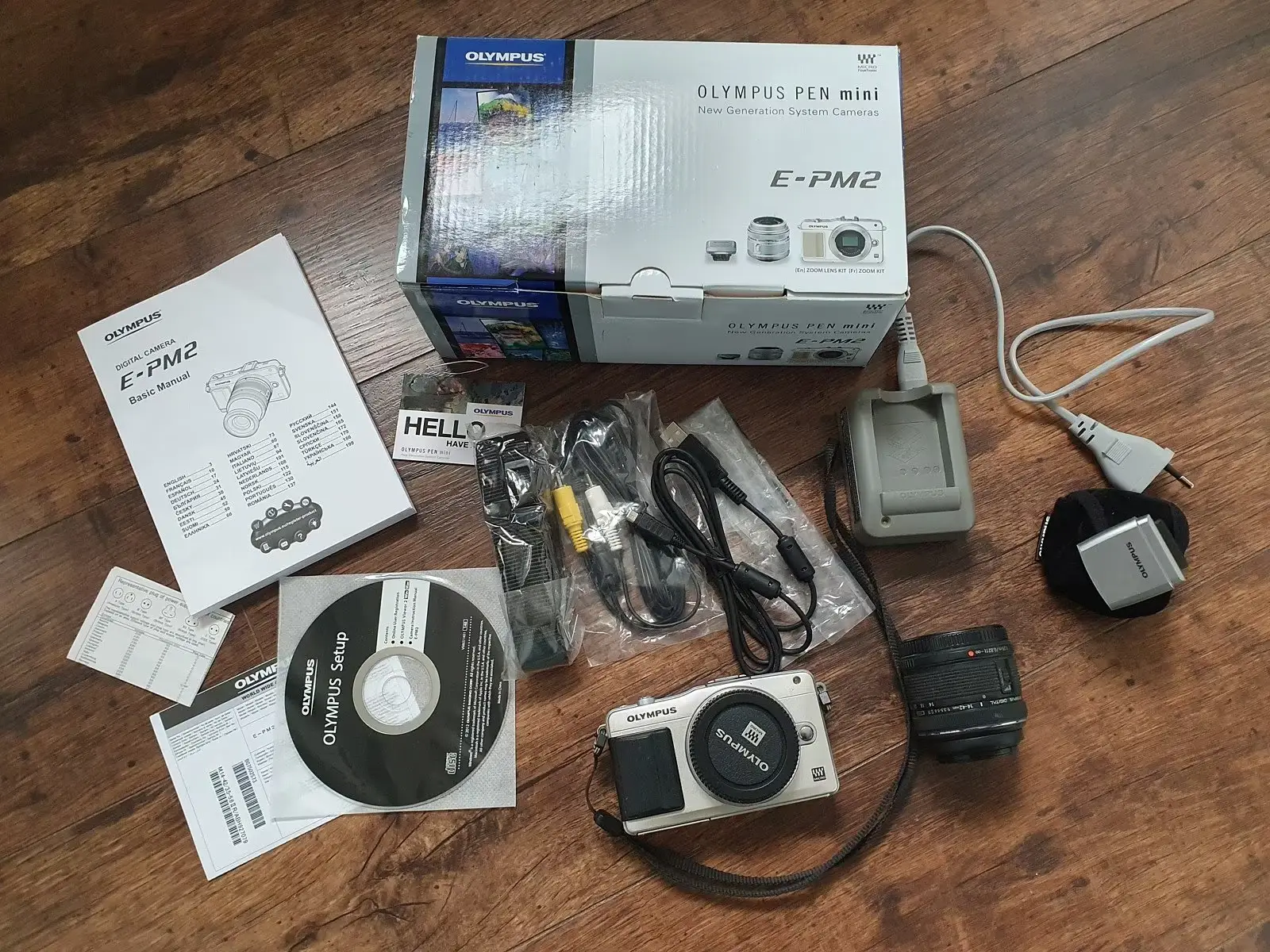
The Tiny Powerhouse: Is the Olympus PEN Lite E-PM2 the Perfect 'Work-Boredom' Camera?
Discover why the Olympus PEN Lite E-PM2 is a hidden gem for photography enthusiasts and bored office workers alike. Specs, prices, and tips included.