
15 Must-Have 3D Printing Accessories for Every Maker
The 15 best 3D printing accessories from calipers and scrapers to deburring tools, filament dryers, and fire safety. The complete maker's toolkit.
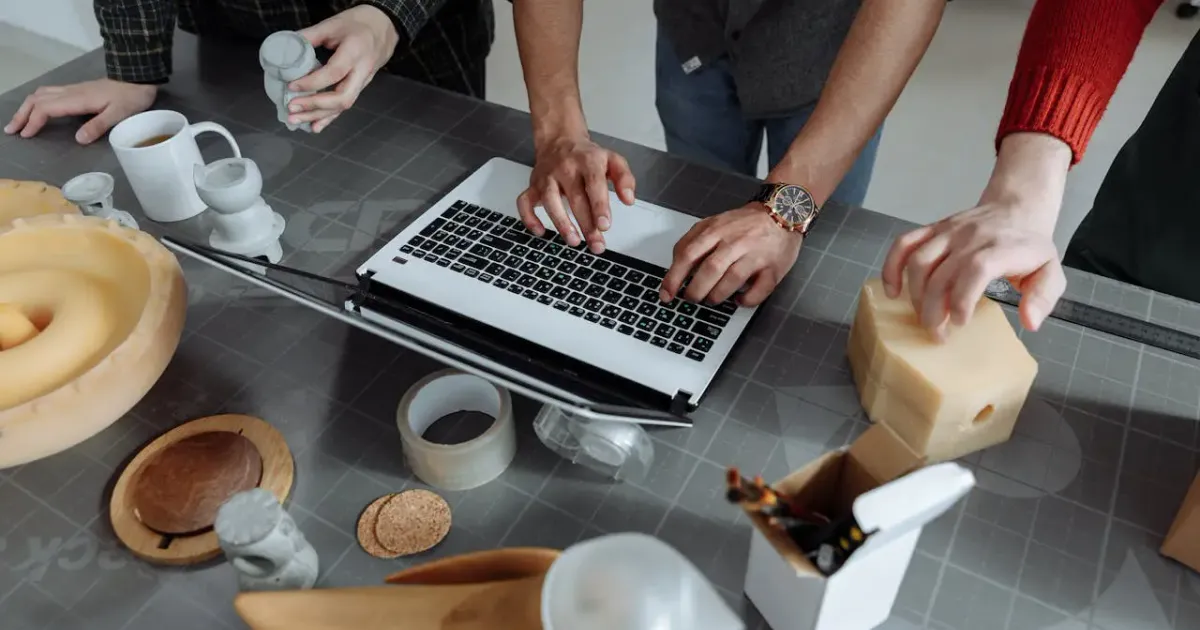
If you’ve been following our 3D Printing Beginner Guide, you know that the printer is just the engine. To get professional results, you need the right tools in your pit crew.
This is the definitive list of 3D printing accessories, categorized from “Day One Essentials” to “Advanced Maker Hacks.”
Part 1: The “Day One” Essentials
1. Digital Calipers: The Precision King
If you’re designing your own parts or even just verifying the accuracy of a downloaded model, digital calipers are non-negotiable.
- Pro Tip: Use them to measure your filament diameter in three different spots and average it. Put this number into your slicer’s “Filament Diameter” setting for more accurate extrusion.
2. Flush Cutters (The “Blue” Pliers)
Most printers come with a cheap pair of side cutters, but a high-quality pair of flush cutters is a game changer for support removal.
- Pro Tip: Use these to cut your filament at a 45-degree angle. This “pointy” end makes it much easier to feed through the extruder and Bowden tubes.
3. Isopropyl Alcohol (IPA) and Microfiber Cloths
Adhesion is the number one cause of failed prints. Keep a spray bottle of 90%+ Isopropyl Alcohol and a clean microfiber cloth handy to wipe down your build plate before every single print.
- Pro Tip: For PEI sheets, if IPA isn’t working, give the plate a wash with warm water and basic dish soap (like Dawn). It’s the ultimate “reset” for build surface adhesion.
4. Thin Metal Scraper
Essential for gently prying prints loose without damaging the bed.
- Pro Tip: If a print is truly stuck, put the build plate into the freezer for 10 minutes. The different contraction rates of plastic and metal will cause the print to “pop” off on its own.
Part 2: The Post-Processing Toolkit
5. Deburring Tool: The Secret Weapon
This is the tool most beginners miss. A deburring tool has a swiveling curved blade that you run along the edges of a print to remove “elephant’s foot” and smooth out sharp edges in seconds.
- Pro Tip: Use it on the inside of 3D-printed holes to help bolts and rods fit perfectly without needing to drill them out.
6. Butane Torch (The Stringing Killer)
A quick, one-second pass with a butane torch will vaporize wispy “hairs” (stringing) without damaging the main model.
- Pro Tip: Move fast! It’s a “flick of the wrist” technique. If you linger, you’ll melt the surface or discolor the plastic.
7. Needle Files and Sandpaper
For those high-detail prints, a set of needle files and high-grit sandpaper (400 to 2000 grit) are essential for removing support marks and smoothing transitions.
- Maker Hack: Wet sanding (sanding while the print and paper are wet) prevents the plastic from melting due to friction heat and keeps the dust down.
8. 3D Printing Pen
Think of this as a “surgical welder.” A 3D printing pen allows you to fill in gaps, weld separate pieces together, or fix small failures without reprinting the whole model.
- Pro Tip: Use the same filament as your print for an invisible structural bond.
Part 3: Performance & Reliability Upgrades
9. Silicone Socks for the Hotend
A tiny, cheap silicone sock keeps your heater block clean and insulates it, leading to more stable temperatures and preventing “blob of doom” disasters.
- Pro Tip: It also prevents the cooling fan from accidentally cooling the heater block, which can cause “Thermal Runaway” errors.
10. Filament Dry Box or Dehydrator
Plastic absorbs moisture from the air, causing “popping” sounds and terrible surface quality. A filament dryer is essential if you print PETG, TPU, or Nylon.
- Maker Hack: You can 3D print your own dry boxes using IKEA Samla bins and some 3D-printed rollers.
11. Patterned Build Plates (PEO/H1H/PEY)
Want your prints to look premium? These aftermarket plates leave beautiful, holographic or carbon-fiber patterns on the bottom of your prints.
- Pro Tip: These plates are perfect for flat objects like coasters or the bottom of the RFID Record Player enclosure.
12. Nozzle Cleaning Kit (Acupuncture Needles)
A set of 0.4mm stainless steel needles allows you to clear out partial clogs from the bottom without taking the hotend apart.
- Pro Tip: Perform a “cold pull” (the Atomic Method) periodically to pull out charred plastic from inside the nozzle.
Part 4: Safety & Peace of Mind
13. Automatic Fire Extinguisher Ball
If you run long prints overnight, an Elide Fire Ball or similar automatic extinguisher mounted above the printer provides an extra layer of safety.
- Safety Tip: Never leave a printer unattended without at least a working smoke detector in the room.
14. Smart Plug with Power Monitoring
Pair your printer with a Smart Plug. If you see a print failing on your webcam, you can kill the power remotely from your phone.
- Pro Tip: Set up an automation to turn off the printer once the power draw drops below a certain wattage for 10 minutes (indicating the print is finished).
15. High-Intensity LED Work Light
Most built-in printer lights are mediocre. A bright, magnetic LED light allows you to spot first-layer issues before they ruin a 24-hour print.
Ready to level up?
Now that your workshop is fully equipped, why not test your skills on a complex project like the Sesame Robot Quadruped? Or, if you’re still looking for the perfect machine, check out our guide on Bambu Lab vs Creality to see which hardware works best with these tools.
Happy printing!
Related Articles

7 Best Paper Trading Apps (I Tested Them All)
I tested every major paper trading app so you don't have to. Here are the 7 best stock market simulators for practicing trades with zero risk in 2026.
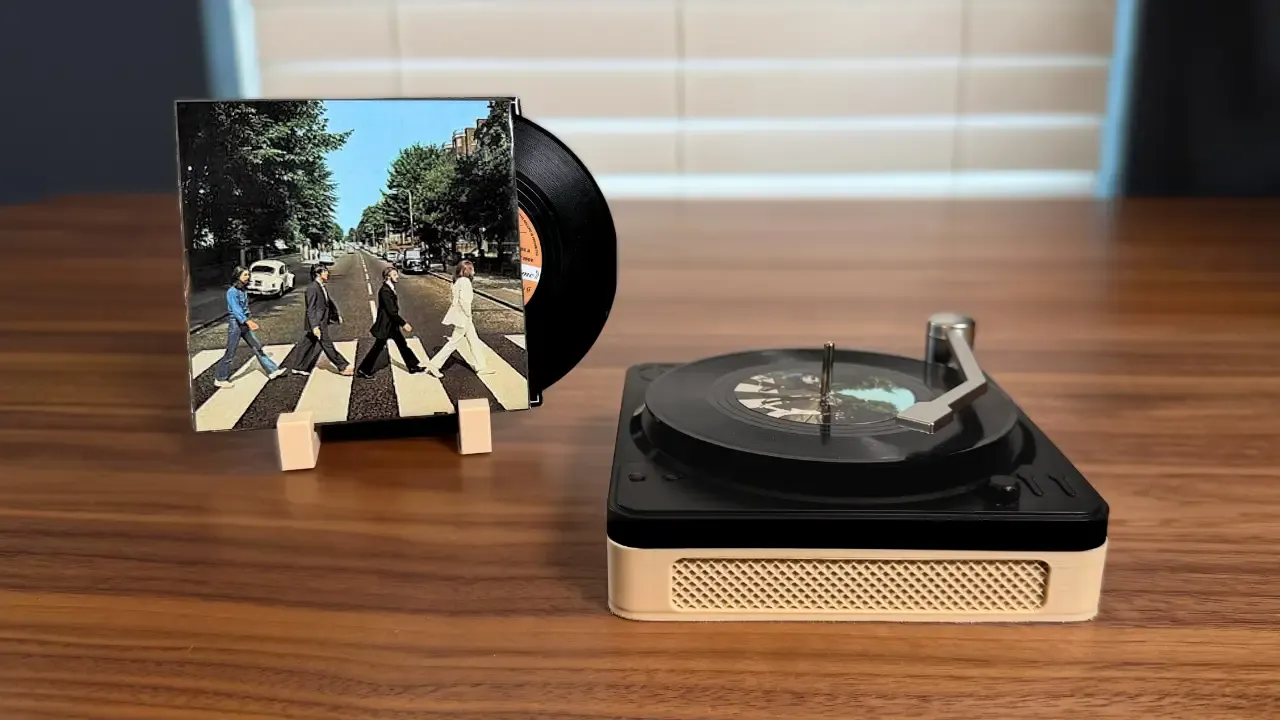
RFID Record Player: Play Spotify with Physical Vinyl
Build an RFID Record Player that plays Spotify with physical vinyl cards. A complete DIY guide using Raspberry Pi, NFC tags, and 3D printing.
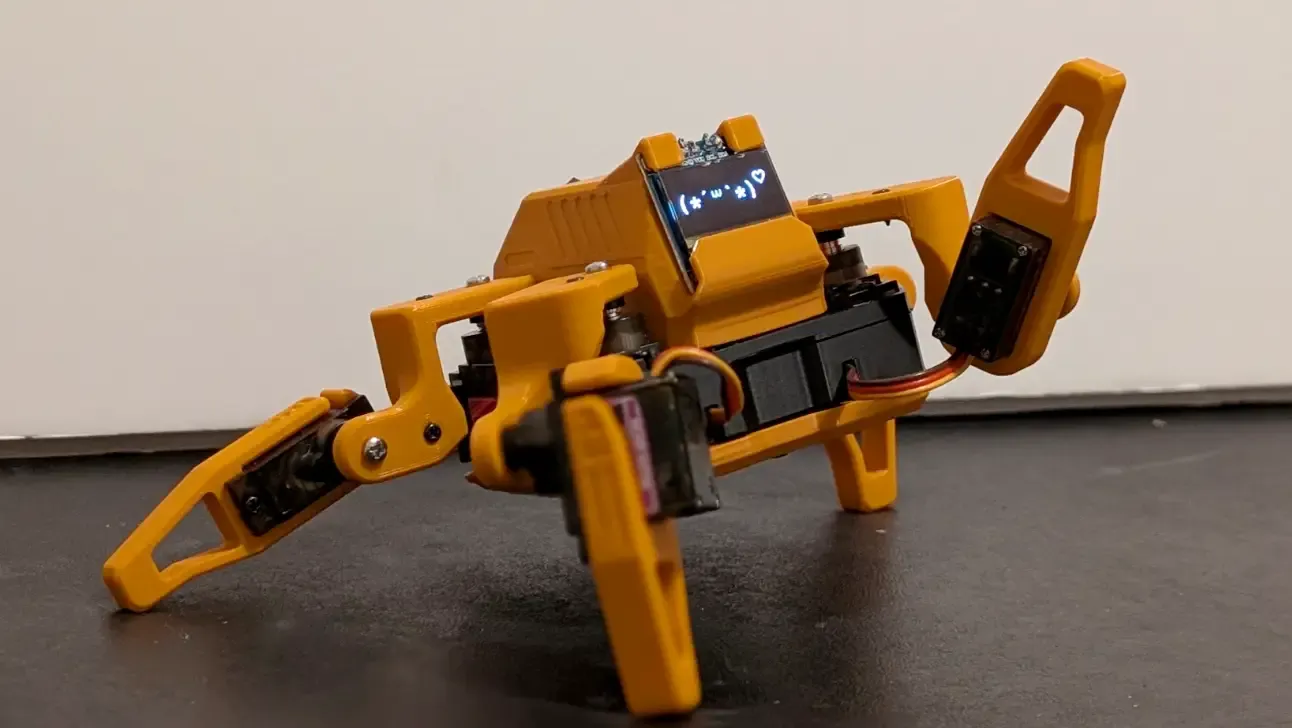
Sesame Robot: The Most Adorable DIY Quadruped You Can 3D Print
Build the Sesame Robot — an open-source 3D-printed quadruped with personality, OLED eyes, and WiFi control. Full BOM, print settings, and build guide inside.