
Turn Your Prints Into Paychecks: How to Sell 3D Printed Goods Online (2026 Guide)
Turn your 3D printing hobby into a side hustle. Best platforms for selling 3D prints, pricing strategies, and how to avoid legal pitfalls.
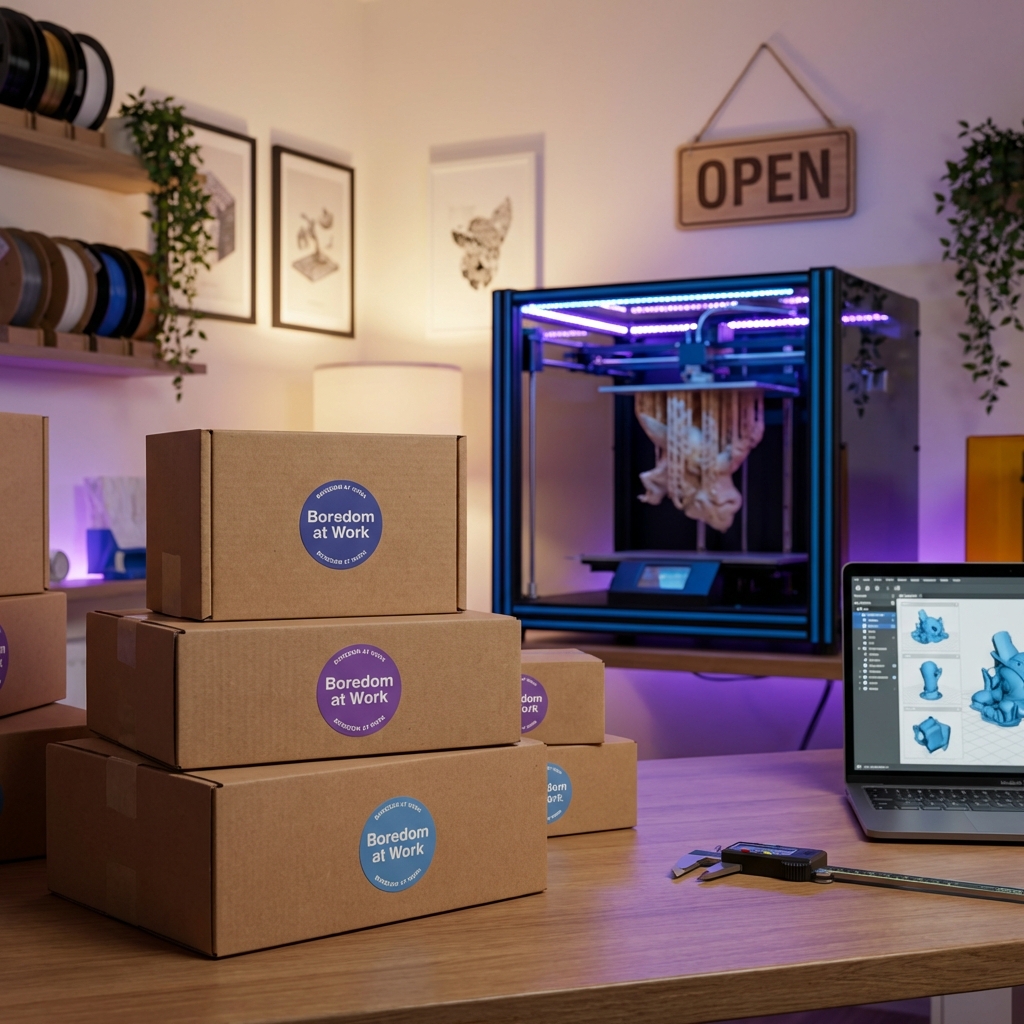
So, you’ve mastered your printer. Your desk is covered in perfectly calibrated test cubes, and your family has enough 3D-printed vases to open a florist shop. Now, you’re sitting at work, staring at your computer screen, and thinking: “Could I actually make money doing this?”
The short answer is: Yes.
The long answer is that selling 3D prints is a real business, and like any business, it requires more than just hitting ‘print’. But if you’re looking for a productive way to spend your office downtime, researching and setting up your online shop is the perfect pivot.
In this guide, we’re going to walk through how to build a 3D printing side hustle from your desk, covering everything from platform selection to the scary legal stuff.
The Business Model: Physical vs. Digital
Before you open a shop, you need to decide what you’re selling.
1. Selling Physical Prints
This is what most people think of. You print a physical object, box it up, and ship it to a customer.
- The Good: Higher price points; you’re selling a finished product.
- The Bad: You have to handle shipping, inventory, and machine maintenance.
2. Selling Digital Files (STL)
If you’ve Mastered CAD (check out our CAD software guide), you can sell the files themselves.
- The Good: Passive income. Upload once, sell a thousand times. No shipping!
- The Bad: You need to be a skilled designer.
Where to Actually Sell Your 3D Prints
Skip the analysis paralysis. Here’s what works in 2026:
Selling Physical Prints
Etsy — The Default Choice
6.5% transaction fee + $0.20 listing fee + 3-4% payment processing (~10-12% total)
Best for: Gift items, home decor, cosplay props, personalized products
Reality check: Huge audience, but you’re competing with thousands of sellers. Photography matters more than print quality.
eBay — The Underdog
~13% total fees
Best for: Functional parts, replacement components, automotive accessories
Reality check: Less pretty, more practical. Buyers here want solutions, not aesthetics.
Facebook Marketplace / Craigslist — Zero Fees
Best for: Local sales, large prints, testing demand
Reality check: No shipping hassle, cash transactions, but limited scale.
Selling Digital Files (STLs)
Cults3D — Largest Marketplace 20% flat commission (seller receives 80%) Best for: Gadgets, art, functional designs Reality check: High traffic, high competition. Simple fee structure with no tiers.
MyMiniFactory — Curated Quality 10-15% commission depending on creator tier (+ payment processing) Best for: Tabletop gaming, miniatures, high-detail models Reality check: Smaller but dedicated audience. Quality standards mean less junk competition.
Thangs — The New Player
Free to list, takes commission on sales
Best for: Getting discovered via their 3D search engine
Reality check: Growing fast, worth having presence even if not primary income source.
Building Your Own Brand
Shopify / WooCommerce — Maximum Margins
~$29/month + ~2.9% payment processing
Best for: Scaling beyond side hustle, building email list, repeat customers
Reality check: You drive 100% of your own traffic. Only worth it once you’ve validated demand elsewhere.
Platform Comparison
| Platform | Type | Total Fees | Audience | Best For |
|---|---|---|---|---|
| Etsy | Physical | ~10-12% | Mainstream gift buyers | Decor, props, personalized items |
| eBay | Physical | ~13% | Problem-solvers | Functional parts, replacements |
| FB Marketplace | Physical | 0% | Local buyers | Large items, testing ideas |
| Cults3D | Digital | 20% flat | Makers & hobbyists | Gadgets, art, functional STLs |
| MyMiniFactory | Digital | 10-15% | Tabletop/gaming fans | Miniatures, detailed models |
| Shopify | Both | ~$29/mo + 2.9% | Your own traffic | Scaling, brand building |
The Smart Strategy
Don’t pick one. Layer them:
- Test on Facebook Marketplace (free, instant feedback)
- Scale on Etsy (traffic is built-in)
- Diversify with STL sales on Cults3D (passive income)
- Graduate to Shopify once you have repeat customers
3. Finding Your Niche (Don’t Be a Generalist)
The biggest mistake new sellers make is trying to sell everything. You can’t compete with Amazon on “generic plastic widgets.” You win by being specific.
High-Demand Niches for 3D Printing:
- Tabletop Gaming: Custom terrain, miniatures, and dice towers.
- Photography & Video Gear: Replacement parts, lens hood caps, or custom rig mounts.
- Home Organization: Custom shelf brackets or specific kitchen gadgets.
- Replacement Parts: Obscure knobs or handles for vintage appliances.
Not sure where to start? Check out our list of things to 3D print first for inspiration.
Research Task: The 15-Minute “Bored at Work” Niche Hunt
Open Etsy in a private tab. Search for “3D printed [your hobby]”. Look for shops with high sales and low review counts (this indicates a trending niche).
4. The “Math” of 3D Printing Profit
If you don’t track your costs, you aren’t running a business; you’re just paying to give people plastic.
The Pricing Formula
A good starting point for a physical print is:
Material Cost + Machine Time + Labor + Platform Fees + Profit Margin = Final Price
- Material Cost: Usually $0.02 - $0.05 per gram.
- Machine Time: Think about depreciation and electricity ($0.50 - $1.00 per hour).
- Labor: Don’t forget the time you spend removing supports and packing boxes!
Once your side hustle generates real income, don’t let it sit in a low-yield savings account. Free investing courses can teach you the basics, and investing apps for beginners make it easy to put that money to work.
5. The Legal Warning (Read This!)
This is the part where most “bored office workers” get in trouble. You cannot simply download a cool file from Thingiverse and sell it.
Licensing Basics
- Personal Use Only: Stay away. You can print it for yourself, but you cannot sell the physical print.
- Commercial License: Some designers on Patreon or Printables Clubs offer a “Commercial Tier.” You pay a monthly fee, and in exchange, you have the right to sell their designs.
- Public Domain / Creative Commons Attribution: Generally safe to sell, but you must credit the original designer.
6. The “Stealth Mode” Setup: Prepping at the Office
If you’re starting this at work, efficiency is your best friend. You can’t be seen browsing STL files all day, but you can leverage your downtime for high-level prep work.
Office-Friendly Side Hustle Tasks:
- Writing Product Descriptions: Use a dedicated Google Doc to draft compelling copy for your listings.
- Competitor Analysis: Spend 10 minutes a day looking at high-performing shops in your niche. What are they doing right? What are people complaining about in their reviews? (That’s your entry point!)
- SEO Keyword Research: Use tools like eRank or Marmalead to find what people are actually searching for.
- Customer Service: You can answer Etsy messages from your phone or a browser tab in seconds.
7. Scaling Up: When One Printer Isn’t Enough
Once you hit 5-10 orders a week, you’ll reach a bottleneck. A single hobbyist printer can only produce so much plastic per day.
The Expansion Roadmap:
- The Second Machine: Don’t buy a different model. Buy an identical one. This means you only need one set of spare parts and one set of slicer settings. (See our best 3D printers under $300 for recommendations.)
- Dedicated Post-Processing Area: Setup a station for removing supports, sanding, and packing. If you’re running your print business from home, a proper desk and workspace setup makes a real difference during long packing sessions.
- Automated Shipping: Use thermal label printers to save time and money.
8. Common Mistakes That Kill 3D Printing Shops
- Race to the Bottom Pricing: If you try to be the cheapest, you will eventually burn out. Compete on quality, unique colors, or better customer service.
- Ignoring “Hidden” Costs: Filament is the cheapest part of the business. Don’t forget the cost of your time, shipping labels, boxes, and the electricity to run the machine.
- Not Testing Your Parts: If you’re selling functional gear (like a camera rig), test it to destruction. One bad review about a snapped piece can tank your shop’s reputation.
9. Practical Tips for Success
- Photography is Everything: Your customer can’t touch the print. They only see the photo. Use a clean background and good lighting. (Check out our photography tips if you need a refresh).
- Handle Customer Expectations: 3D prints have layer lines. Be honest about this in your description so people don’t expect injection-molded perfection.
- Packaging Matters: A $20 print shouldn’t arrive in a ziplock bag inside a recycled cereal box. Invest in decent cardboard boxes.
Things to Research Further
- SEO for Etsy: Learn how keywords in your titles and tags affect your visibility.
- Shipping Logistics: Look at services like PirateShip or ShipStation to save money on labels.
- Product Liability Insurance: Once you start selling functional parts (like brackets or car parts), you need to think about liability.
FAQ
1. Do I need a fleet of printers to start?
No. Start with one reliable machine (like a Bambu Lab A1 Mini). Scale up only when your orders consistently outpace your machine’s capacity.
2. Should I offer custom design services?
Only if you are fast at CAD. Custom design work can eat up all your profit if you spend 10 hours designing a $30 part.
3. How do I handle failed prints?
Calculate a “Failure Rate” (usually 5%) into your base pricing. This ensures that the successful prints pay for the plastic lost on the occasional spaghetti mess.
Conclusion: Your “9-to-5” Side Hustle Plan
Setting up a shop is a marathon, not a sprint. Use your office downtime to build the foundation.
Actionable Next Steps:
- The Lunch Break Task: Find 5 items with a commercial license that you think you could sell.
- The Afternoon Task: Calculate the total cost of one of those items (including shipping and fees).
- The End-of-Week Task: Open an Etsy shop and list your first item.
You’re already at your desk. You’re already on your computer. You might as well be building a business that lets you print your way to freedom.
Go get ‘em, CEO.
New to 3D printing? Start with our 3D Printing Guide for the complete overview, or read about common beginner mistakes to avoid.
Related Articles
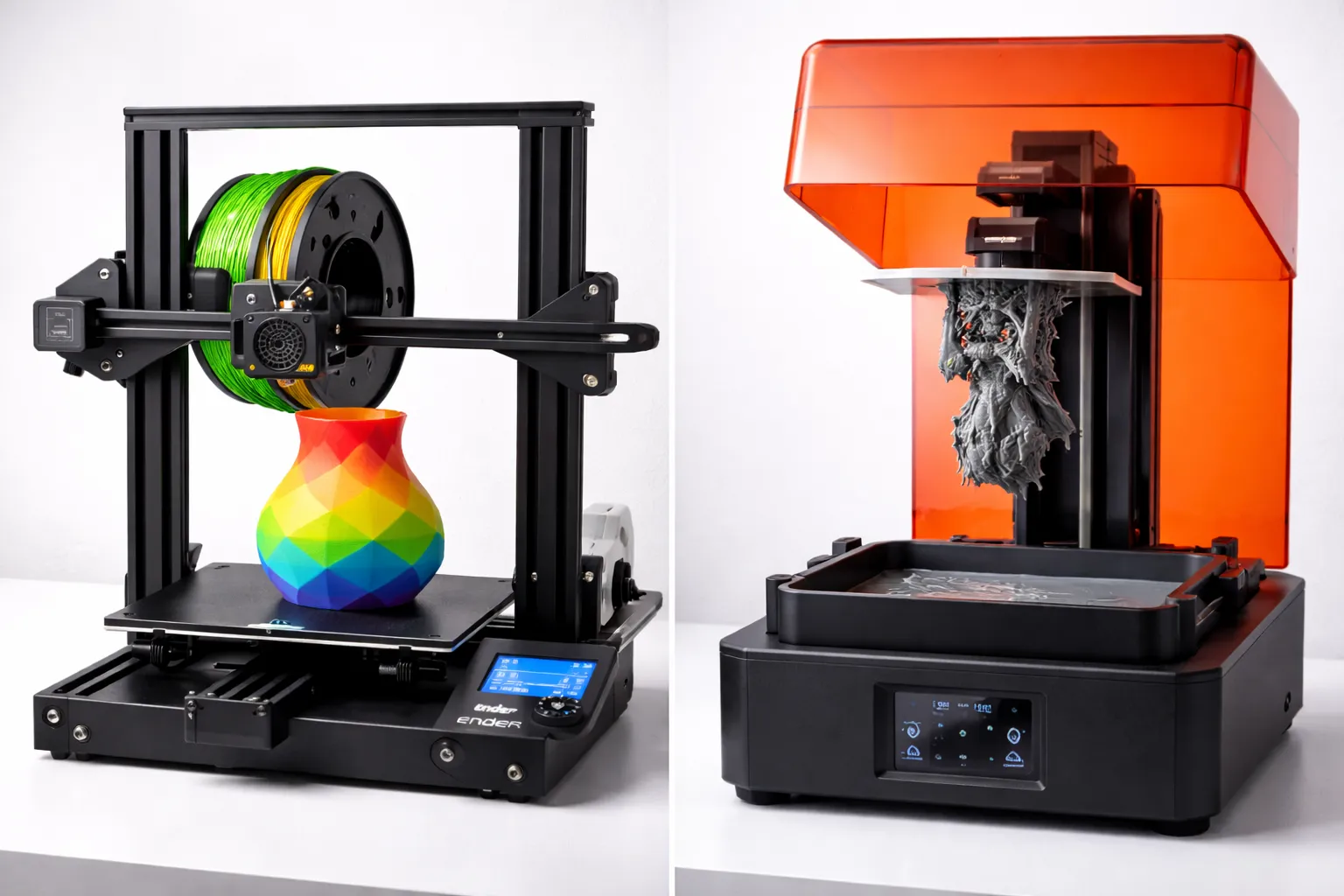
FDM vs Resin 3D Printing: Which One Should You Choose?
FDM vs resin 3D printing — we compare cost, print quality, safety, and ease of use with real examples to help you pick the right technology for your project.
The Ultimate Guide to 3D Printing (2026)
Your complete guide to 3D printing—from choosing your first printer to selling your prints. Everything beginners need to start their 3D printing journey.
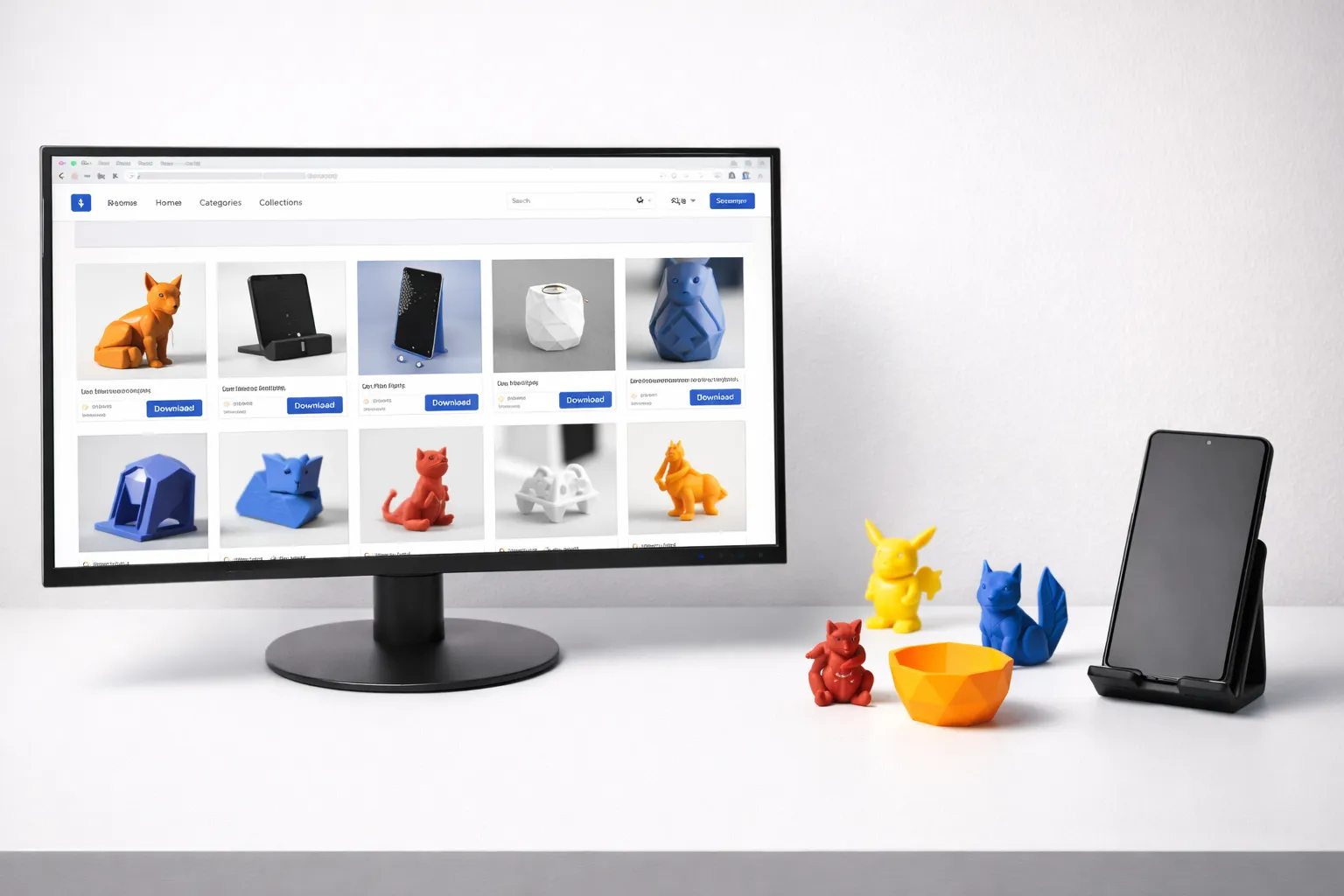
Best Sites for Free 3D Models: Where to Download STL Files (2026)
Looking for free 3D printable models? Here are the 11 best sites to download STL files—from Thingiverse to hidden gems most people don't know about.