
AI-Powered Fitness Trackers Guide (2026)
Discover how AI-driven fitness trackers in 2026 revolutionize personal health with predictive insights, personalized coaching, and deep biometric analysis.

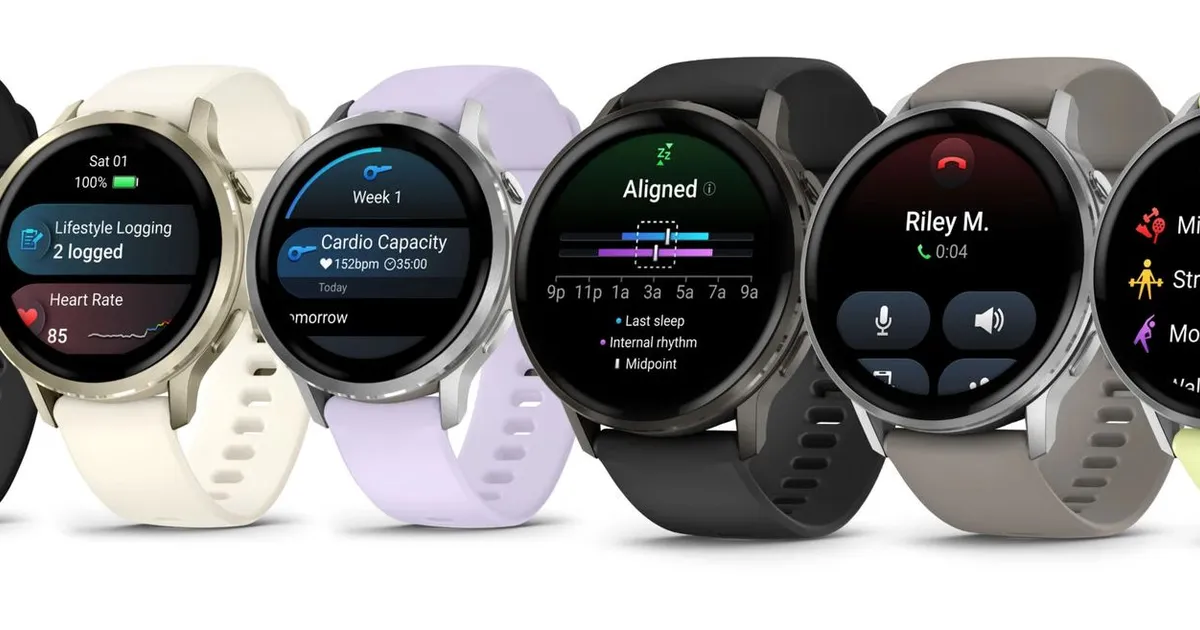
The landscape of personal health technology has undergone a seismic shift. For years, the term “fitness tracker” was almost synonymous with a simple, wrist-worn pedometer, a device that counted steps, calculated calories, and gave you a pat on the back for hitting a arbitrary goal. While those early devices were engaging, they were essentially passive observers of our behavior.
In 2026, we have moved into the era of AI-powered fitness tracking. Wearables like the Oura Ring and others are transforming health monitoring. For an in-depth comparison of top models, check out our Fitbit Air vs Whoop Guide.
These are no longer just tools for data collection; they are sophisticated, active participants in our personal health journey. By leveraging advanced machine learning models, modern wearables have transitioned from counting steps to acting as personalized, 24/7 health coaches. They don’t just tell you what you did; they interpret why it matters, how your body responded, and what you should do next to achieve your performance or longevity goals.
The AI Transformation: From Passive to Proactive
To understand the leap we have taken, we have to look at the transition from classical data processing to AI-driven intelligence. Classical trackers operated on rigid thresholds: if heart rate exceeds X for Y minutes, label as “exercise.” If movement is zero for Z hours, label as “sleep.”
AI-powered trackers operate on context and trend analysis. Machine learning algorithms, trained on vast datasets of human biometric patterns, can now process streams of data in real-time, accounting for the unique physiological baseline of the wearer.
1. Personalized Baselines
Every human body reacts differently to stress, exercise, and sleep. An AI-powered tracker doesn’t use generic “normal” values. Over the first few weeks of use, it establishes a baseline for your heart rate, your sleep latency, and your resting heart rate variability. When your device gives you an insight, it’s not comparing you to a textbook; it’s comparing you to yourself.
2. Predictive Analytics
Perhaps the most significant advancement in 2026 is the move from reactive monitoring to predictive modeling. Instead of telling you that you were stressed yesterday, an AI tracker can analyze subtle changes in your HRV and sleep consistency to alert you that your body is showing signs of impending overtraining or illness before you feel the symptoms.
3. Actionable Insights
A raw data point like “HRV is 45ms” is meaningless to most people. An AI-powered tracker turns this into: “Your recovery is lower than normal today. Consider swapping your planned high-intensity interval session for a gentle 30-minute walk or a focus on mobility training.” This bridge between data and behavior is the core value proposition of AI in fitness tech.
Key AI-Powered Features to Look For
When evaluating fitness trackers in 2026, the marketing noise is deafening. To cut through, focus on how well the device implements these critical AI-driven functions:
Heart Rate Variability (HRV) Analysis
HRV is the gold standard for measuring autonomic nervous system function. AI trackers analyze the fluctuations between heartbeats to determine how well your body is managing stress and recovering. A declining trend in your baseline HRV, analyzed by AI, is often a leading indicator of burnout, overtraining, or the onset of illness.
Advanced Sleep Architecture
AI doesn’t just track how long you sleep; it tracks how you sleep. By monitoring heart rate, oxygen levels, and movement, AI can accurately classify sleep stages (Light, Deep, REM) and analyze your sleep continuity. The AI then looks for patterns in your behavior, like late meals or alcohol consumption, to explain why your sleep quality might be suffering.
Readiness and Recovery Scores
This is the ultimate application of AI in wearables. By aggregating your sleep quality, HRV, and recent activity intensity, AI provides a daily “Readiness Score.” This score isn’t just a number; it’s an intelligent prescription for how much you should push your body that day. It prevents you from overworking a struggling body or under-utilizing a primed one.
Predictive Biometrics and Stress Detection
Using skin temperature and continuous heart rate monitoring, AI can detect anomalous patterns associated with stress or health disruptions. When the algorithm flags a significant deviation from your personal norm, it can offer interventions like guided breathing, short meditation sessions, or simply a recommendation to prioritize earlier bedtime that evening.
The Top AI Fitness Trackers in 2026: A Comparative Overview
While I cannot provide product reviews here, the fitness tracker market is currently dominated by two distinct philosophies, both heavily reliant on AI.
Some of the most popular AI-powered platforms in 2026 include:
- WHOOP: Known for its screenless design and deep focus on recovery and strain metrics.
- Oura Ring: A wearable ring that excels in sleep tracking and health insights without the bulk of a watch.
- Garmin: Offers high-end sports watches with extensive AI-driven coaching features for endurance athletes.
- Apple Watch: Deeply integrated health tracking within the Apple ecosystem with robust AI coaching features.
- Fitbit (Google): Excellent general-purpose fitness and health tracking with personalized daily readiness scores.
1. Dedicated Recovery and Performance Trackers
Devices like those offered by companies focused on pure biometric monitoring (e.g., Whoop, Oura) have doubled down on AI-driven insight. They often lack traditional smartwatch features like screens or app notifications, allowing them to optimize for comfort, battery life, and high-fidelity sensor data. These are for the dedicated athlete or the hyper-quantified health enthusiast who prioritizes recovery data over smartphone connectivity. At the other end of the spectrum sit hybrid watches with analog hands and month-long batteries; my Withings smartwatch guide covers that lineup.
2. AI-Integrated Smartwatches
The major players in the smartwatch arena (Apple, Garmin, Google/Fitbit) have integrated AI coaching deeply into their ecosystems. These devices offer the best of both worlds: robust health tracking and the convenience of a traditional smartwatch. The AI integration here is often broader, connecting health data to broader lifestyle apps, calendars, and even nutrition tracking platforms.
The Ethics and Privacy of AI Health Tracking
The rapid integration of AI into health tracking brings significant ethical considerations. In 2026, we are more conscious than ever of the data we produce.
- Data Ownership: You should always own your health data. The best platforms allow for full data export in standardized formats.
- Security: Health data is the most sensitive data there is. Look for platforms that use end-to-end encryption and have transparent policies regarding data sharing with third parties.
- The “Black Box” Problem: AI models are often proprietary. It can be difficult to understand exactly how a device reached a certain conclusion. While this is the nature of AI, leading companies are increasingly providing more transparency into the factors that contributed to a given score or insight, rather than just presenting a number.
Getting the Most Out of Your AI Tracker
An AI-powered tracker is only as good as the context you provide. To get the most out of your device:
- Be Consistent: AI needs a large dataset to learn your personal baselines. Wear your device 24/7.
- Contextualize the Data: Use the tagging features provided by most apps to log lifestyle factors like diet, alcohol intake, or travel. The AI can then correlate these factors with your health trends.
- Listen to the AI, But Trust Your Body: AI is a tool, not a doctor. If you feel terrible, you don’t need an AI tracker to tell you to rest. Use the tracker as a supplement to your own intuition, not a replacement for it.
- Focus on Trends, Not Daily Fluctuations: Don’t obsess over one “bad” sleep score or a single low-readiness morning. Look at the weekly and monthly trends. That is where the AI provides the most value.
The Future of AI in Fitness Tracking
We are only at the beginning of this journey. The next wave of AI-powered wearables will likely focus on:
- Non-Invasive Glucose Monitoring: Integrating real-time metabolic feedback into our readiness scores.
- Generative Health Coaching: Moving beyond pre-recorded suggestions to truly conversational, AI-driven coaches that can discuss your goals and adapt your plan in real-time.
- Environmental Context: Better integration with ambient environmental data, air quality, allergens, and weather, to provide a more holistic view of the factors affecting your health.
Conclusion
In 2026, fitness tracking has finally become what it promised to be: a genuinely useful, proactive tool for personal health management. By harnessing the power of AI to translate complex biometric data into actionable, personalized insights, we are moving toward a future where we understand our bodies better than ever before.
Whether you are an elite athlete pushing the boundaries of performance or simply someone trying to improve your daily sleep and stress management, an AI-powered fitness tracker is now one of the most effective tools in your wellness toolkit. The key to success, however, hasn’t changed: it’s not the device itself, but how intelligently you use the insights it provides.
Top Ranked Frontier AI Models
Empirical rankings sourced from Artificial Analysis, Arena.ai, LLM Stats & BenchLM.
Related Articles

Offline Travel Tech: Essential Apps & Devices for No-Data Regions
Prepare your smartphone, Kindle, and gear for zero-connectivity travel. Discover offline maps, offline translation packs, travel guides, and power tips.

Withings Smartwatches in 2026: Lineup & Rumors
A comprehensive guide to Withings hybrid smartwatches in 2026. We review the ScanWatch 2 and Nova, and explore when to expect the next release.

Fitbit Air vs. WHOOP: Screenless Tracking Compared 2026
Fitbit Air vs WHOOP compared: which screenless wearable wins on recovery, strain, and health data? Full breakdown for athletes and health enthusiasts in 2026.