
The Ultimate Guide: What to Pack in a Traveling Backpack
Discover exactly what to pack in your traveling backpack. From clothing and electronics to security and space-saving tips, this 2026 guide covers it all.

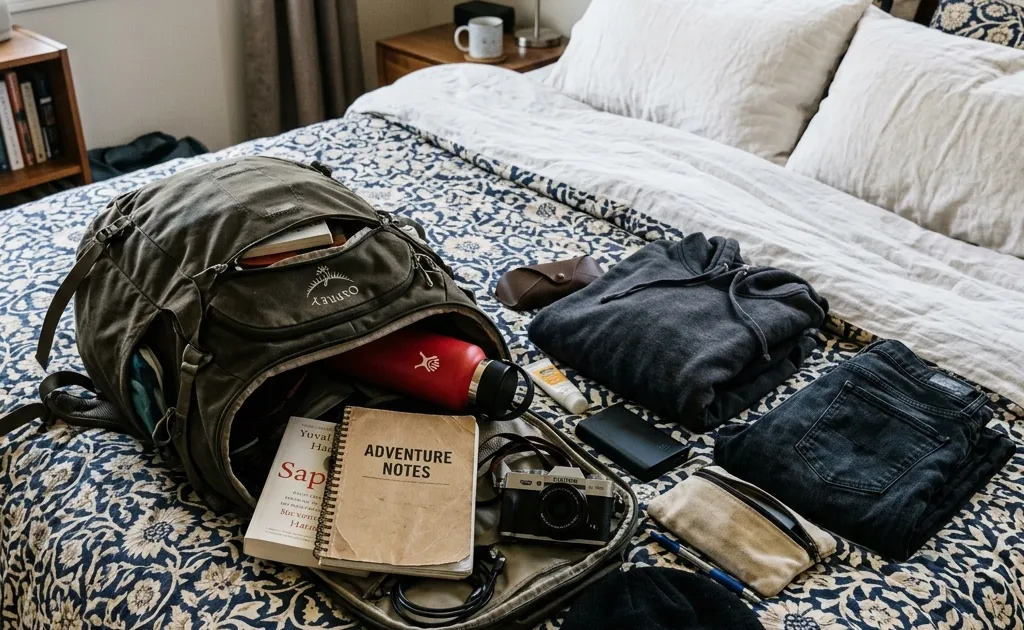
Packing a traveling backpack is as much an art as it is a science. Whether you are embarking on a two-week vacation to Europe, a six-month sabbatical through Southeast Asia, or an indefinite digital nomad journey around the globe, what you carry on your back determines your comfort, mobility, and overall travel experience. In the age of skyrocketing checked baggage fees and lost luggage nightmares, mastering the carry-on-only backpack lifestyle is the ultimate hack for modern travelers.
The philosophy behind backpacking is simple: freedom. When your entire life fits into a 40-liter bag, you are no longer constrained by the physical world. You can effortlessly navigate cobblestone streets, sprint to catch a departing train, squeeze onto crowded buses, and walk up five flights of stairs without breaking a sweat. However, this freedom is hard-earned. It requires brutal honesty about what you actually need versus what you might need.
Planning your next adventure with AI? Read our central AI Travel Planning Guide to discover prompts, flight-finding strategies, and curated itineraries.
In this comprehensive 2026 guide, we will break down exactly what to pack in a traveling backpack, covering everything from core clothing strategies to essential electronics, toiletries, and organizational techniques. If you want to travel lighter, smarter, and with greater agility, this is your definitive blueprint.
1. Choosing the Right Backpack: Your Mobile Home
Before we even discuss what goes inside the bag, we must talk about the bag itself. Your backpack is your mobile home, your closet, and your safe. Choosing the wrong one can lead to back pain, organization nightmares, and ruined trips.
The Sweet Spot: 35L to 45L For the vast majority of travelers, a backpack between 35 and 45 liters is ideal. Why? Because this size range generally complies with international airline carry-on dimensions (typically around 22 x 14 x 9 inches). Traveling carry-on only means you skip the baggage claim, avoid checked bag fees, and eliminate the risk of the airline losing your luggage. Bags larger than 45L usually need to be checked, and they quickly become heavy and cumbersome to carry for extended periods.
Key Features to Look For:
- Clamshell Opening: Top-loading backpacks are a nightmare for travel. If you need something at the bottom, you have to take everything out. Look for a clamshell (or panel-loading) design that opens fully like a suitcase. This allows you to see all your gear at once.
- Suspension System: A good harness system is non-negotiable. Look for padded shoulder straps, a breathable mesh back panel, and most importantly, a robust, padded hip belt. A hip belt transfers up to 80% of the bag’s weight from your shoulders to your hips, saving your back on long walking days.
- Weather Resistance: Your bag doesn’t need to be fully waterproof, but it should be highly water-resistant. Materials like ballistic nylon or treated canvas are excellent. Always carry a lightweight rain cover just in case.
- Lockable Zippers: Security is paramount. Ensure the main compartment zippers are robust and feature loops that can accommodate a TSA-approved padlock.
2. The Golden Rule of Travel Clothing: Layering and Versatility
The biggest mistake novice backpackers make is overpacking clothing. The “what if” mentality, packing a heavy coat what if it gets cold, or packing formal wear what if I attend a fancy gala, is the enemy of light travel. The key is to pack a versatile, mix-and-match capsule wardrobe focused on layering.
Fabrics Matter: The Power of Merino Wool and Synthetics Leave the heavy cotton at home. Cotton takes forever to dry, wrinkles easily, and holds onto odors. Instead, invest in performance fabrics. Merino wool is the holy grail of travel clothing. It is naturally odor-resistant (you can wear a merino t-shirt for days without washing it), temperature-regulating (keeps you warm in the cold and cool in the heat), and quick-drying. Synthetic blends (like nylon and polyester) are also excellent for travel, especially for pants and activewear, as they are durable and dry rapidly.
The Core Clothing Packing List (For a 1-Week to 1-Year Trip):
- T-Shirts (3-4): Stick to neutral colors (black, gray, navy, olive) that match with everything. Two merino wool shirts and one or two synthetic blends are perfect.
- Long-Sleeve Shirt (1): A lightweight button-down or a long-sleeve merino shirt. Great for cooler evenings, sun protection, or visiting conservative sites where shoulders must be covered.
- Pants (2 pairs): One pair of comfortable, versatile travel pants (look for brands offering lightweight, stretchy, water-resistant trousers) and one pair of comfortable jeans or nicer pants for evenings out.
- Shorts (1-2 pairs): Depending on the climate. Hybrid shorts that can double as swim trunks are a massive space-saver.
- Insulation Layer (1): A high-quality, compressible down or synthetic puffer jacket. These provide incredible warmth but pack down to the size of a grapefruit. Alternatively, a warm fleece or merino wool sweater works well.
- Outer Shell (1): A lightweight, waterproof, and breathable rain jacket. This is crucial for layering over your insulation layer on cold, wet days.
- Underwear (4-5 pairs): Quick-dry athletic underwear or merino wool. You can wash them in the sink at night, and they will be dry by morning.
- Socks (3-4 pairs): Merino wool socks are essential. They prevent blisters and don’t stink. Pack a mix of ankle socks and one pair of longer socks.
- Sleepwear (1 set): A comfortable t-shirt and lightweight shorts or leggings.
Footwear: The Rule of Three Shoes are bulky and heavy, so limit yourself to a maximum of three pairs (including the ones you wear on the plane).
- Primary Walking Shoes: This should be your most comfortable pair of sneakers or trail runners. You will be wearing these 80% of the time. They must be broken in before your trip.
- Sandals or Flip-Flops: Essential for warm weather, beach days, and navigating questionable hostel showers.
- Specialty Pair (Optional): Depending on your trip, this could be lightweight hiking boots, nicer shoes for going out, or water shoes. If you don’t absolutely need them, leave them behind.
3. Essential Toiletries: Minimizing the Bathroom Bag
Toiletries are heavy, prone to leaking, and take up surprising amounts of space. The goal is to minimize liquids and rely on solid alternatives wherever possible. Remember, unless you are traveling to the deep jungle, you can buy almost anything at your destination.
The Solid Swap:
- Solid Shampoo and Conditioner Bars: These eliminate plastic bottles, save space, and won’t trigger TSA liquid limits.
- Solid Deodorant: Opt for a stick rather than aerosols or roll-on liquids.
- Toothpaste Tabs: Bite-sized tablets that turn into toothpaste when you chew them. They are lightweight and plastic-free.
The Toiletry Kit Essentials:
- Hanging Toiletry Bag: A game-changer for tiny bathrooms or shared hostel facilities with zero counter space.
- Toothbrush and Floss.
- Travel-sized Sunscreen and Bug Spray: Buy larger bottles at your destination if needed.
- Basic First Aid Kit: Band-aids, ibuprofen/paracetamol, anti-diarrhea medication (Imodium), motion sickness pills, and any personal prescription medications.
- Microfiber Towel: Regular towels are massive. A medium-sized microfiber or Turkish towel dries rapidly, packs small, and is a lifesaver when accommodations don’t provide one.
- Nail Clippers and Tweezers.
4. Technology and Electronics: Powering the Modern Traveler
For the modern traveler, especially the digital nomad, electronics are arguably the most important items in the bag. However, they are also the heaviest. It is critical to optimize your tech setup to avoid carrying unnecessary chargers and cables.
The Universal Rule: USB-C Everything In 2026, USB-C is the absolute standard. Try to ensure all your devices, laptop, phone, headphones, camera, e-reader, charge via USB-C. This allows you to carry just one or two powerful wall chargers and a few identical cables, rather than a tangled mess of proprietary cords.
The Tech Packing List:
- Smartphone: Your navigation, camera, translator, and connection to the world. Ensure it is unlocked so you can use local eSIMs or physical SIM cards.
- Laptop or Tablet (Optional): Only bring a laptop if you intend to work. If you just want to watch movies and read emails, an iPad or a lightweight tablet is more than sufficient.
- E-Reader: Books are heavy. A Kindle or Kobo holds thousands of books and has a battery that lasts for weeks.
- Noise-Canceling Headphones: Absolutely vital for surviving crying babies on long flights, snoring roommates in hostels, and loud bus rides. Over-ear headphones offer better noise cancellation, but high-end wireless earbuds (like AirPods Pro) are much more compact.
- Power Bank: A robust power bank (around 10,000mAh to 20,000mAh) is essential for long travel days when you are relying on your phone for maps and tickets. For the full no-signal kit, apps included, see my offline travel tech guide.
- Universal Travel Adapter: A high-quality GaN (Gallium Nitride) universal adapter with multiple USB-C ports allows you to charge everything simultaneously in any country.
- Cables: Two long USB-C to USB-C cables and one shorter backup cable.
5. Organizational Tools: The Magic of Packing Cubes
You can have the best backpack and the best gear, but if it is all shoved into your bag randomly, your life will be chaotic. Organization is the secret to sane backpacking.
Packing Cubes: The Ultimate Hack If you take only one piece of advice from this guide, let it be this: use packing cubes. These lightweight fabric containers revolutionize how you pack.
- Categorization: Dedicate one cube to t-shirts, another to pants, and a smaller one for underwear and socks. When you need a shirt, you simply pull out the shirt cube instead of digging through your entire bag.
- Compression: Many packing cubes come with a secondary zipper that compresses the clothing inside, squeezing out excess air and saving massive amounts of space.
- Rolling vs. Folding: To maximize space within the cubes, roll your clothes rather than folding them. Rolling reduces wrinkles and allows you to pack items much tighter.
Additional Organizational Gear:
- Dry Bag: A lightweight 5L or 10L dry bag is incredibly versatile. It can protect your electronics during a sudden downpour or a boat trip, and it doubles as a makeshift washing machine for doing laundry in the sink.
- Tech Pouch: Keep all your cables, chargers, adapters, and SD cards in one dedicated tech organizer. No more fishing for cords at the bottom of your bag.
- Shoe Bag: Keep dirty soles away from your clean clothes. A simple plastic grocery bag works, but a dedicated, breathable shoe bag is better.
- Reusable Zip-Lock Bags: Always carry a few high-quality zip-lock bags. They are perfect for storing wet swimsuits, half-eaten snacks, or leaky toiletry bottles.
6. Miscellaneous Essentials: The Little Things That Matter
These are the small, often overlooked items that can dramatically improve your travel experience or save you in a pinch.
- Daypack or Packable Tote: You don’t want to carry your 40L backpack while exploring a city. A lightweight, packable daypack (that stuffs down to the size of an apple) or a sturdy canvas tote bag is perfect for carrying your water bottle, jacket, and souvenirs during the day.
- Water Bottle: A reusable, insulated water bottle (like a Hydro Flask or Yeti) saves you money and reduces single-use plastic waste. If you are traveling to regions with unsafe tap water, consider a bottle with a built-in filter, like a LifeStraw or Grayl.
- Travel Lock: A TSA-approved combination padlock. Essential for securing your bag in transit and locking your valuables in hostel lockers.
- Headlamp or Mini Flashlight: You will be surprised how often the power goes out in developing countries, or how handy a light is when navigating a dark dorm room at 4 AM without waking others.
- Spork or Travel Cutlery: Perfect for spontaneous grocery store picnics or street food.
- Pen: Always carry a pen. You will invariably need to fill out customs and immigration forms on airplanes, and the flight attendants never have enough to share.
- Duct Tape: Wrap a few feet of duct tape around an old hotel key card or a water bottle. It fixes everything from torn backpacks to ripped mosquito nets and broken shoes.
7. Travel Security and Documents
Losing your clothes is an annoyance; losing your passport is a disaster. Security and document management are critical components of your packing strategy.
- Passport and Visas: Ensure your passport has at least six months of validity remaining and plenty of blank pages. Check visa requirements well in advance.
- Physical Backups: Make photocopies of your passport, driver’s license, travel insurance policy, and credit cards. Keep one set of copies hidden deep in your backpack, and leave another set at home with a trusted friend or family member.
- Digital Backups: Scan all your important documents and store them securely in the cloud (Google Drive, Dropbox, iCloud) so you can access them from any computer in the world.
- Money Belt or Hidden Pouch: While less common these days, a hidden pouch worn under your clothes is still the safest way to carry large amounts of emergency cash and your passport in high-risk areas.
- Multiple Payment Options: Never travel with only one credit or debit card. Cards get blocked, swallowed by ATMs, or stolen. Carry at least two debit cards (preferably with no foreign transaction fees, like Charles Schwab or Revolut) and one or two travel credit cards. Store them in different locations, one in your wallet, one hidden in your backpack.
8. Adapting to Seasons and Climates
The beauty of the packing list above is that it works for roughly 80% of travel scenarios. However, extreme climates require slight adjustments.
Winter Travel (Sub-Freezing): You cannot pack multiple thick sweaters in a carry-on. Instead, rely heavily on thermal base layers (merino wool leggings and long-sleeve tops). Wear your bulkiest items (heavy coat, boots) on the plane. Add a warm beanie, gloves, and a scarf. These accessories provide immense warmth with minimal bulk.
Tropical Travel (Hot and Humid): Ditch the heavy jeans and thick sweaters entirely. Focus on loose, breathable fabrics like linen or ultralight synthetics. Bring extra underwear and t-shirts, as you will likely sweat through them quickly. Prioritize high-quality reef-safe sunscreen and serious mosquito repellent.
Conclusion: Embrace the Lighter Life
Packing a traveling backpack is an ongoing learning process. After your first trip, you will inevitably realize you packed things you never used, while missing a few items you wish you had. The golden rule is to evaluate your gear constantly. When you return home, unpack your bag and make a pile of everything you didn’t use. Leave those items behind next time.
Traveling light is not about deprivation; it is about liberation. By carefully curating what you pack, prioritizing versatile clothing, minimizing heavy electronics, and utilizing organizational tools like packing cubes, you free yourself to focus on the journey itself. A lighter backpack means less stress, greater mobility, and a deeper connection to the incredible world around you. So, choose your gear wisely, pack smart, and embrace the freedom of the open road.
Related Articles

Free AI Tools for Budget Travel Planning (2026)
You don't need premium subscriptions to plan great trips. These free AI tools help budget travelers create itineraries, find deals, and save money.

Offline Travel Tech: Essential Apps & Devices for No-Data Regions
Prepare your smartphone, Kindle, and gear for zero-connectivity travel. Discover offline maps, offline translation packs, travel guides, and power tips.
AI Route Planning Guide: How to Plan Road Trips (2026)
Discover how AI route planning tools optimize road trips, cut drive times, find hidden gems, and eliminate navigation stress in 2026.