
AI Smart Appliances: How the AI Kitchen Reclaims Your 5-to-9
AI-powered smart appliances are transforming home management. From meal-planning fridges to precision ovens, see the future of the AI kitchen.

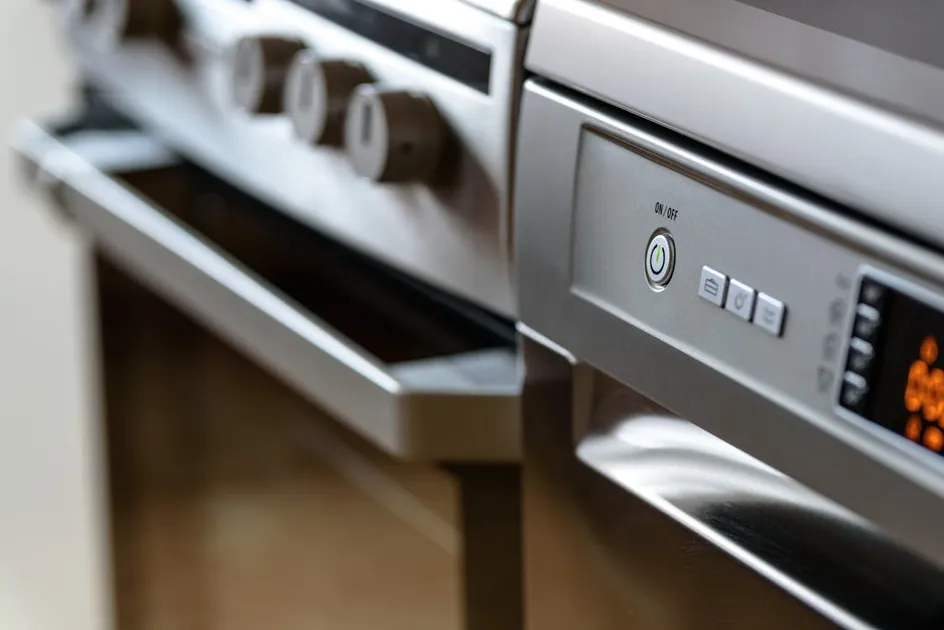
The 9-to-5 is exhausting, but for most of us, the real “work” begins at 5:01 PM. The “second shift”, cooking, cleaning, inventory management, and general household maintenance, is the ultimate thief of personal growth. If you are trying to use your downtime to learn a new skill or build a side hustle, your kitchen is often your biggest competitor.
In 2026, the “Smart Home” has finally graduated from a collection of gimmicky lightbulbs into a functional ecosystem of AI-powered assistants. We are no longer talking about fridges that just “have a screen.” We are talking about appliances that possess computer vision, predictive logic, and the ability to autonomously manage the most tedious parts of your existence. If you want to run that ecosystem locally instead of through a vendor cloud, start with our Home Assistant beginner guide.
This is the era of the AI-powered kitchen, and it’s the secret weapon for the productive professional.
From “Connected” to “Cognitive”: What Defines an AI Appliance?
To understand the revolution, we must distinguish between “Connected” appliances and “Cognitive” ones.
- Connected (The 2020 Era): These devices had Wi-Fi. You could turn your oven on from your phone or get a notification when the laundry was done. It was convenient, but it still required you to do all the thinking.
- Cognitive (The 2026 Era): These devices use AI to make decisions. They don’t just tell you the oven is hot; they recognize the specific chicken breast you put inside, determine its weight and fat content, and adjust the moisture levels and temperature curves in real-time to ensure it never dries out.
The shift from “Remote Control” to “Autonomous Decision Making” is what allows these appliances to actually reclaim your time.
1. The Computer Vision Refrigerator: Your Personal Inventory Manager
The refrigerator has always been the “dumbest” high-priced item in the house. It’s a cold box where food goes to die. In 2026, the AI-powered refrigerator acts as a 24/7 inventory clerk.
Deep Learning for Food Waste
Internal cameras paired with object-recognition models (similar to those used in self-driving cars) now track every item that enters and exits.
- Expiration Tracking: The AI recognizes the brand and type of milk and automatically cross-references its database for typical shelf life, alerting you three days before it spoils.
- Dynamic Meal Planning: Instead of asking “What’s for dinner?”, you check your fridge’s “Available Recipes” list. It suggests meals based only on what you currently have, prioritizing items closest to expiration.
- Autonomous Shopping: Many models now integrate directly with grocery delivery services. If you are low on eggs, the fridge adds them to a “Suggested Cart” that you approve with a single tap on your smartwatch.
Workflow Win
By removing the “mental load” of inventory management, you save approximately 2 hours a week that would have been spent checking cupboards, writing lists, and wandering grocery aisles.
2. Neural Network Ovens: The End of “Checking the Food”
We’ve all been there: you’re in the middle of a deep-work session or a “stealth learning” module, and you have to keep running to the kitchen to see if the roast is burning.
Precision Cooking via AI
Modern AI ovens use “Neural Cooking Paths.” They don’t just follow a timer; they use internal sensors to monitor the chemical changes in the food.
- Automatic Protein Recognition: Put a steak in. The internal camera identifies the cut and thickness. It then applies a specific heat profile to reach your desired internal temperature (medium-rare) without you ever touching a thermometer.
- Browning Optimization: AI models trained on thousands of “perfectly cooked” images monitor the surface of your sourdough or pizza. The oven shuts off the moment the crust reaches the mathematically optimal level of Maillard reaction.
Workflow Win
This is “Set and Forget” in its truest form. You can commit to a 45-minute learning block knowing that your dinner is being monitored by a system that is more consistent than a human chef.
3. Robotic Vacuum & Mop 2.0: Spatial Intelligence
Early robotic vacuums were essentially bumper cars with suction. In 2026, they are sophisticated spatial mappers.
Beyond Obstacle Avoidance
Using LiDAR and VSLAM (Vision-Based Simultaneous Localization and Mapping), these devices now understand the context of your home.
- Stain Identification: If the robot sees a liquid spill, it switches from vacuum to heavy-duty mop mode automatically. It can distinguish between “dust” and “dried coffee,” applying more pressure and steam where needed.
- Pet-Centric Logic: The AI recognizes pet waste (the infamous “poop-pocalypse” of early models) and navigates around it while sending an urgent notification to your phone.
- Acoustic Sensing: These robots now “listen” to the floor. If they hear the rattle of a Lego piece or a wedding ring being sucked up, they stop immediately and alert you to check the bin.
Workflow Win
A clean environment reduces cognitive load and stress. Having a robot that manages the floor autonomously, including high-traffic spills, means your weekends are no longer dedicated to “The Big Clean.”
4. AI Washing Machines: Fabric Care as a Service
Laundry is one of those tasks that feels simple until you ruin a $100 wool sweater. AI washing machines remove the “guesswork” of cycles.
Intelligent Load Analysis
- Weight & Fiber Detection: The drum’s motor sensors detect the weight and the way the fabric absorbs water to determine if the load is primarily cotton, synthetic, or delicate.
- Detergent Auto-Dosing: Based on the soil level detected in the initial rinse water (turbidity sensors), the machine calculates and dispenses the exact milliliter of detergent needed.
- Predictive Maintenance: The AI monitors the vibration patterns of the motor. If it detects a bearing starting to wear out, it schedules a service call before the machine actually breaks.
5. Smart Energy Management: The “Matter” Ecosystem
The true power of these appliances is realized when they talk to each other. Through the “Matter” protocol and AI-driven home hubs, your appliances now manage your home’s energy footprint.
- Grid Optimization: Your AI dishwasher knows your local utility’s peak pricing. It will automatically delay its start until 2:00 AM when electricity is cheapest, unless you override it for an “Express” need.
- Solar Alignment: If you have solar panels, your appliances will shift high-energy tasks (like self-cleaning the oven or running the dryer) to the peak sun hours of the afternoon.
The Privacy and Security Concern
With internal cameras and microphones in your kitchen, the question of privacy is paramount. In 2026, the leading manufacturers have shifted to Edge AI.
- Local Processing: Your fridge doesn’t send video of your kitchen to the cloud. The “recognition” happens on a local chip within the appliance. Only the metadata (e.g., “1x Milk Added”) is stored.
- Physical Kill Switches: High-end models now include physical sliders to cover cameras and disconnect microphones when they aren’t needed for active tasks.
Building Your AI Kitchen: Where to Start?
You don’t need to replace all your appliances at once. The most effective way to transition is to target the “Highest Friction” tasks.
- Level 1: The Smart Air Fryer/Oven. This is the cheapest entry point and provides the most immediate “time back” in your daily routine.
- Level 2: Spatial Cleaning. A high-end robot vacuum with VSLAM will eliminate the most repetitive physical chore in the house.
- Level 3: The Inventory Fridge. This is a major investment, but for those who struggle with meal planning and food waste, it is the ultimate lifestyle upgrade.
Conclusion: The Ultimate ROI is Your Time
We often view smart appliances as “luxury” items, but for the professional looking to maximize their life, they are an investment in Human Capital.
Every minute you don’t spend checking an oven, writing a grocery list, or scrubbing a floor is a minute you can spend on your health, your family, or your career. AI-powered smart appliances aren’t about being lazy; they are about being strategically efficient.
In the battle for your time, the AI kitchen is your most valuable ally. Start small, automate the boring, and reclaim your 5-to-9.
Top Ranked Frontier AI Models
Empirical rankings sourced from Artificial Analysis, Arena.ai, LLM Stats & BenchLM.
Related Articles

Offline Travel Tech: Essential Apps & Devices for No-Data Regions
Prepare your smartphone, Kindle, and gear for zero-connectivity travel. Discover offline maps, offline translation packs, travel guides, and power tips.

5 AI Browser Extensions to Supercharge Your Daily Workflow
Stop tab-switching. These 5 AI browser extensions automate research, writing, and meeting summaries directly within your professional workflow.

Antigravity 2 with Gemini 3.5: The AI Coding Assistant
Antigravity 2 with Gemini 3.5 is changing how developers work. Explore the new Planning Mode, Knowledge Items, and multi-file context in this 2026 guide.