
Gen Z Retro Tech Trend: Vintage Cameras & Wired Earphones
Explore the growing trend of Gen Z embracing vintage digital cameras and wired earphones. Understand the cultural shift away from algorithmic perfection.

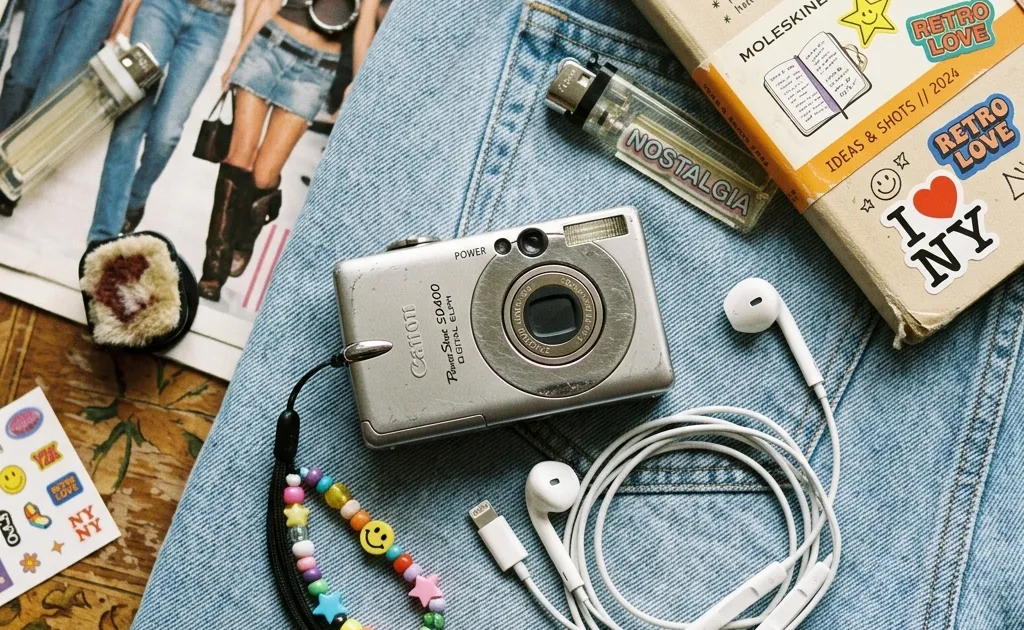
If you have spent any amount of time on TikTok or walked through a college campus or a trendy metropolitan neighborhood recently, you have likely noticed a fascinating and seemingly counterintuitive technological shift. The younger generation, specifically Gen Z, is actively choosing to ditch their sleek, $300 noise-canceling wireless earbuds and hyper-advanced smartphone camera lenses. In their place? Tangled wired earphones and clunky, low-megapixel digital cameras from the early 2000s.
To millennials and older generations who lived through the painful era of untangling headphone cords and waiting for camera flashes to recharge, this trend might seem baffling. Why would a generation that grew up as digital natives, surrounded by the most sophisticated consumer technology in human history, voluntarily regress to inferior hardware?
Looking for the bigger picture? Check out our complete Photography Guide for Beginners for gear recommendations, camera fundamentals, and editing workflows.
The answer lies in a complex intersection of nostalgia, a rebellion against algorithmic perfection, and a deep-seated desire for authenticity in an increasingly artificial digital landscape. In this article, we will unpack why Gen Z is leading the charge in the retro tech renaissance and what it means for the future of consumer electronics.
The Anti-Aesthetic: The Return of Wired Earphones
Let us start with the audio accessory that has made a shocking comeback: the humble wired earphone, often specifically the classic Apple EarPods with the 3.5mm headphone jack or Lightning connector.
For years, the tech industry aggressively pushed wireless audio. The removal of the headphone jack from flagship smartphones forced consumers into the wireless ecosystem. AirPods became a status symbol, a sleek, white indicator of modernity and disposable income. So, how did the cord become cool again?
The “Do Not Disturb” Signal
One of the primary drivers behind the wired earphone trend is the visual signal it sends to the outside world. Wireless earbuds are discreet. You can wear them all day, and someone approaching you might not even realize you are listening to something until they are mid-sentence.
A physical wire draped down your neck and plugged into your pocket, however, is an unmistakable, universal “Do Not Disturb” sign. In a world where constant accessibility is expected, the wire is a physical barrier, a boundary set by the wearer. It says, “I am plugged in, I am busy, and I am not available for casual conversation.” For a generation dealing with unprecedented levels of social anxiety and overstimulation, this physical boundary is highly valued.
Reliability and Battery Anxiety
Wireless technology, for all its convenience, introduces new modern anxieties. Did you remember to charge your case? Are the Bluetooth connections pairing correctly? Is one earbud mysteriously not working?
Wired earphones eliminate battery anxiety entirely. They are plug-and-play in the truest sense. They never run out of charge, they never fail to pair, and they offer a reliable, analog connection. This shift reflects a broader fatigue with the “smart” ecosystem, where every device requires constant maintenance, charging, and software updates. The simplicity of a wire is profoundly refreshing.
The Grungy “It-Girl” Aesthetic
We cannot ignore the fashion element. The wired earphone trend gained massive traction on platforms like TikTok and Instagram, pioneered by celebrities like Lily-Rose Depp, Bella Hadid, and Zoe Kravitz. The aesthetic is intentionally unbothered, slightly grungy, and effortlessly cool.
It is an active rejection of the hyper-curated, polished tech-bro aesthetic. Wearing tangled wires is a subtle flex, it shows that you do not care about having the latest, most expensive gadget. It is a democratization of cool, where a $19 pair of EarPods holds more cultural cachet than $250 AirPods Pro.
Chasing Imperfection: The Vintage Digicam Craze
While wired earphones represent a rejection of modern convenience, the resurgence of vintage digital cameras (often affectionately dubbed “digicams”) represents a rejection of modern visual perfection.
If you look at the camera specs of the latest iPhone or Samsung Galaxy, they are objectively incredible. They use advanced computational photography, HDR processing, and AI enhancements to ensure that every photo is perfectly lit, razor-sharp, and flawlessly color-balanced. And that, precisely, is the problem.
The Exhaustion of Algorithmic Perfection
Modern smartphone photos often look too good. They are sterile. When every single photo taken by millions of people looks perfectly optimized, the images lose their soul. They look like they were generated by a computer, because, in many ways, they are.
Gen Z is experiencing severe fatigue with this algorithmic perfection. The pressure to present a flawless, curated life on social media has taken a toll. Vintage digital cameras from the 2000s, think the Canon PowerShot or the Sony Cyber-shot, offer the exact opposite.
They have tiny sensors. Their dynamic range is terrible. They blow out highlights, crush shadows, and rely on harsh, direct flashes that wash out faces and cast hard shadows against walls. The resulting images are grainy, slightly blurry, and imperfect. But they are also raw, authentic, and immediately evoke a sense of nostalgia.
Living in the Moment
Taking a photo with a smartphone is an interconnected experience. The moment you snap the picture, you are tempted to immediately edit it, apply a filter, and post it to your Instagram Story. The device itself is designed to pull you into a digital vortex of notifications and endless scrolling.
A vintage digital camera is a single-purpose device. When you bring a digicam to a party or a concert, you are there to take photos and nothing else. You cannot check your email on it. You cannot post to TikTok on it.
Furthermore, the process of getting the photos off the camera requires effort. You have to remove the SD card, plug it into a computer (often requiring a dongle), and manually transfer the files. This delayed gratification forces users to be more present in the moment. You take the picture and forget about it until the next day, mimicking the experience of shooting on film, but without the high recurring costs of film rolls and developing.
The Y2K Nostalgia Wave
Gen Z’s affinity for the early 2000s is well-documented in fashion and music, and technology is no exception. For many in this demographic, the early 2000s represent a time of childhood innocence, or a romanticized era they barely remember but long for.
Using the technology of that era is a way to physically connect with that aesthetic. The tactile feel of a physical shutter button, the mechanical whir of a lens extending, and the pixelated glow of a low-resolution LCD screen provide a sensory experience that smooth glass smartphone screens simply cannot replicate.
What Does This Mean for the Future of Tech?
The simultaneous rise of wired earphones and vintage digital cameras among the youth is not just a fleeting micro-trend; it is a profound commentary on our current relationship with technology.
For years, tech companies have operated on the assumption that consumers always want “more”, more megapixels, more AI, more wireless integration, more connectivity. The Gen Z retro tech trend is a loud, cultural pushback against that narrative. It suggests that there is a threshold of technological optimization where the human experience actually begins to degrade.
We are seeing a desire for “dumb” technology. People want devices that do one thing well, without trying to monopolize their attention or harvest their data. They want technology that feels like a tool rather than a demanding ecosystem.
While Apple and Samsung are not going to stop developing better smartphone cameras or wireless earbuds anytime soon, we might see a subtle shift in product design. There could be a rising market for intentionally constrained devices, digital cameras that focus on aesthetic character rather than clinical sharpness, or audio devices that prioritize physical simplicity over smart features.
Ultimately, the trend is a reminder that technology is not just about utility; it is about how it makes us feel. A perfectly exposed, HDR-processed iPhone photo might be technically superior, but a blurry, flash-heavy photo from a 2005 Canon PowerShot captures a feeling. And right now, for a generation overwhelmed by the modern digital world, that feeling is everything.
Related Articles

Olympus PEN E-PM2 Review: A Hidden Gem for Beginners
Discover why the Olympus PEN Lite E-PM2 is a hidden gem for photography enthusiasts and bored office workers alike. Specs, prices, and tips included.
Computational Photography vs. Real Cameras: Is Glass Dead?
Has the smartphone killed the DSLR? We dive into computational photography, comparing the Samsung Galaxy, iPhone, and Pixel against traditional optical cameras.

What is AI Slop? Why the Internet Is Revolting Against It
AI slop is a tidal wave of low-effort synthetic content flooding the web. Discover what it is, why the internet hates it, and how to survive.